Top 5 Animals That Symbolize Love

Photo by Ruslan Khmelevsky

Love can be found in all spaces, including the animal kingdom.

Many animals symbolize love. The symbolism depends on different populations’ cultures, traditions, and iconography. Since immemorial, symbols for love and passion have been shown in all shapes, forms, and sizes. Humans have been labeling things to commemorate the epitome of human affection. 

The symbols of love come in many forms and shapes. These forms take the animal shapes in both domestic and the ones found in nature. Passion, love, and tenderness have been, and continue to be, strongly correlated with particular animals. Some animals represent romantic love between couples, but others represent eternal, fraternal eternal. In this write-up, you will find some examples of animals that symbolize love. 

1. The Happy Beavers. Because of this, we usually see beavers as a symbol of the love between families. Two beavers who have copulated for life are believed to be very happy in their short life together. These beavers can be a spiritual symbol for couples and bless them with a comfortable, long life together in their tiny house, raising their family.

2. The Provider Cows. Among Hindu communities, the cow is a unique creature to the point that they do not consume meat and have sacred housing for older cows. Cows symbolize fertility and fulfilling physical needs since they provide us with milk and food. Egyptians associated their deity with cows. She acts as a nursemaid to humanity, especially mothers and kids. They see her as a giant cow that represents the heavens.

3. The Messenger Dolphin. Dolphin is known for its speed, attentiveness, and intellect and is also a love messenger. This is partially attributable to its link with Delphi, which means “womb” in Greek. It represents the love embodied within the womb. 

4. The Romantic Swans. It is attributed to sincerity, love, and purity. Celts legend stated that swans were made into silver medallions for protection. These birds are also known for being one of the most romantic bird species in the world. Swans are among the few animals who subscribe to the animal kingdom’s version of monogamy. Most swans mate with a single partner for the rest of their lives. There is a reason why many “romantic” park rides were designed after swans.

5. Monogamous Love of Doves. Symbolize both peace and love. They are the universal symbol of harmony. The dove was verified to represent passion because Greek mythology related the white, small bird to Aphrodite, the goddess of love. With doves lying on her hand or fluttering around her, Aphrodite (or Venus) is commonly portrayed. Due to their monogamous nature, doves also reflect fidelity and monogamy, and, in actual being, weddings are often present as a caricature. 

Animals are also some of the species on this earth that kids love to have. There are available books to create a peaceful life by teaching kids to choose love- to love everyone and be loved over getting into trouble.

Charlene Turner, the author of Sun-Lion, teaches children this fantastic book that achieves the best of both worlds by teaching children the importance of self-love and confidence and guiding them to become their best authentic selves.

This book is a magical story that expresses and encourages children of all ages to love, motivate, and become inspirational. The style’s simplicity and vivid imagination make this story unlike any other. 

The Sun Lion is a gifted being who is blessed with many talents but unsure how to use them, leaving her insecure and unconfident. She faces many challenges, such as self-doubt, bullying, and uncertainty. Throughout the book, she slowly gains confidence, realizing her full potential to become the best version of herself. This book teaches children that a person can grow to be a positive person despite trials and tribulations.

Almost every animal you see out there represents one or two things. Some represent strength, weakness, loyalty, deception, etc. However, looking at the animal kingdom, finding animals that represent love will not be difficult. Love is something that everyone craves. Some people may feel exhausted already, but let these animals rejuvenate the feeling and strength of love in you. You may not get to see these animals, but their symbols are what matters, representing the love and loyalty you seek. Listen to the messages sent by these animals and let them show you the true meaning of love. 

4 Characteristics of Successful Artists

Photo by RODNAE Productions

With knowledge, dedication, and practice in the craft, anyone can learn how to paint or draw at an “expert” level.

Artists are distinct from non-artists in so many ways. That is the perception, anyway. Truth be told, anyone can become an artist, regardless of their experience or “talent.” 

However, to reach this level, the individual must possess all, or at least several, characteristics commonly observed in successful artists. This means that the person may be required to acquire all or some of the traits to find the success that they desire. These characteristics are universal across the arts – music, dance, and theater; they are not confined to the visual arts. 

Artists Take Risks

One of the most striking characteristics of an artist is risk-taking. Risks are only taken by the artist with some honest thought, however. The risks taken by an artist are calculated and based on experience.

If we are to adopt the artist’s characteristics, we must also be ready to take risks. They can be insignificant – we may try a new subject or medium. Or they may be extensive. The artist finds excitement in risks and takes them more often than not.

Artists Are Not Scared to Make Mistakes

Fear is one of the most maim emotions felt by a person. Yes, fear sometimes keeps us physically safe, but it hinders us from experiencing many beautiful things. Think of everything you have considered doing in life but did not do because of fear.

Artists are not entirely fearless, but they recognize that mistakes are part of the so-called creative process and are not scared to make them. Every work that has ever been made is with at least one imperfection.

So many of us stop at the early sign of a mistake. The frustration builds up, and the work never gets completed. Artists do not stop at this moment. They carry through, recognizing that no work will be perfect, nor should it be anticipated to be. Imperfections are observed and may be altered, but they are never a reason to stop.

Artists Are Ambitious

Not only are artists driven to reach their objectives or goals, but they also set them very high. Some goals may never be grasped; however, this is accepted.

The artist’s ambition is not self-rooted. Instead, it is about art. The aspiration is cultivated from a love of the creative process – not from self-promotion. In this way, the ambition of the artist is pure. Ambition may start slow, but it grows over time as works are created – as possibilities present themselves.

Artists Are Observant

Artists begin to see the world differently over time. They notice things that are overlooked by others. They may discover joy in things that others find boring as they learn to draw, to “see,” and their perception of the visual world changes.

Light, shadows, colors, and lines become the filter through which the world is viewed. Objects are no longer taken for granted as they are analyzed. Because of this amplified observation, they may also notice changes in how they perceive relationships, other people, and other aspects of life. They see individuals in their life differently and notice features about them that may have been overlooked previously.

Ronald Lee Harden agreed with this when he wrote in his book, Untold Architectural Black History of Tampa, Florida: My 36-Year Architectural Career in Tampa, that “An Artist is someone that observes Natural Life in the uniqueness of Color, Shapes, and Forms in their Natural Beauty, which is the inspiration for Living.” Here, the Tampa Bay Performing Arts Center, Gaither and Bloomingdale High Schools, the Harbour Island project, Mobley Park, and Osbourne Landing Apartments; are just a few of the projects architectural project manager Ronald L. Harden has been a part of that have helped the community of Tampa expand both economically and culturally in 36 years. These projects have helped create homes, jobs, and cultural events for the city’s African-American and other mixed communities and helped them improve their lives.

What Is Missing? We assume that skill makes an artist. This is not the case. Skill is often the result of a person who acquires (or possesses) these characteristics – no matter the craft. Skill, in any area, can be learned and enhanced by anyone. It takes dedication and hard work, and it is not easy. But it is accomplished by having the correct mindset and developing an artist’s characteristics.

Filling in the Canvas: Becoming an Artist

Photo by Pixabay

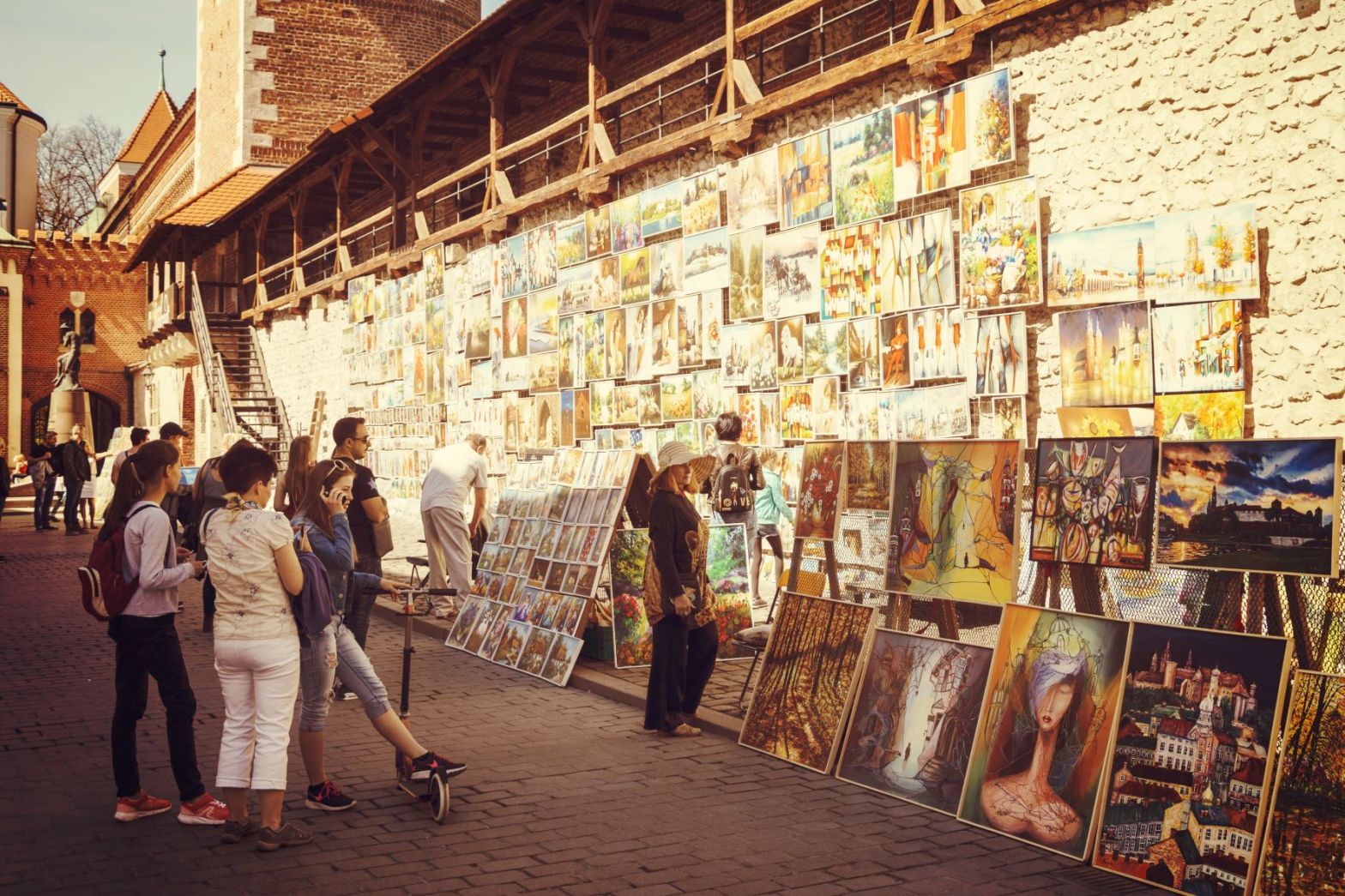
The art industry is quite a competitive field. Artists can make or break it, trying to make their art out and about. With this complexity, how did artists like Jeanne Henderson successfully become a known name publicly?

Barlow. Castiglione. Van Boucle.

These are household names in the art industry, each with unique styles, stories, and journeys toward becoming universally renowned. Yet, despite their distinction, they have something in common. Besides their passion for the arts, popularity, and being experts in their craft, they all have a common ground. And no, it has nothing to do with body parts or their affinity for drawing animals. In fact, it’s something that everyone has, as well.

Personal Branding.

This refers to an individual’s name, style, essence, and aura that every individual exudes that makes them uniquely them. While they’re all artists with niches focusing on animals as muses, they each have distinctive styles that differentiate them from the others. Such can be considered their branding. Something they can call theirs that makes them stand out and distinct from the crowd.

Printing a Name

Art can be simplified as a play of shape, creativity, and an expression of imagination. Success in this field or breaking it in the art industry can also be simplified to one word: brutal. It may not be as physically and mentally taxing and competitive as sports. But it’s still a field with some rivalry requiring grit and the creative capacity to craft a distinctive art style.

Compared to sports, making it in the art industry isn’t highly dependent on calculations and training. While an artist, like an athlete, still needs to practice and hone their skills, the field can be random in selecting who to put into the limelight and who to hide. Especially in today’s technologically dependent world, gaining traction as an artist is unsystematic.

Jeanne Henderson is an artist that has successfully and proudly made a name among several renowned artists. She has focused years on honing her skills and mastering an art style uniquely hers. Sure, she studied under various artists and practiced day and night to become where she is now. However, like any other artist, her road to popularity was challenging.

How Did She Do It?

It’s been established. Making a name in the art field is random.

It’s like spinning roulette and where it lands, whether famous or not, becomes an artist’s fate. But despite this randomness, there’s still a way to wriggle toward art stardom. An artist only needs to attempt to hit the jackpot amid randomness repeatedly. This means doing other businesses that aren’t directly related to the craft but helps put the art out there.

Choose a Niche

As with Barlow, Castiglione, and Van Boucle, who used animals as their muses throughout their artworks and career, starting artists should choose a niche. This allows proficiency in one medium, making it easy for them to build a reputation around it. A niche will also help artists establish a loyal customer or patron base.

A niche might mean focusing on one form or subject to specialize in. However, in the process of choosing it, artists are also provided an opportunity for people to experiment with other mediums before arriving at something special for them. This process can mold them into flexible artists.

Advice from Professionals

Who else can help budding artists establish themselves in the field more than those in the same position before? Mentorship can help them improve, as professional artists can offer constructive criticisms and insightful tips regarding art or the journey in general. Every artist started in the industry as an apprentice or amateur and built their way up through hard work and practice. It pays to build a network of artists who understand what happens in an artist’s life. Not only is this a way to help improve, but it can also boost one’s morale to stay in the industry.

Explore Style

Art is constantly evolving. A single style and technique can’t encompass it, and because of this ever-changing nature, nobody has truly mastered the best way to become a great artist. But the good thing about art is it doesn’t impose any restrictions on whoever practices it. Artists can do absolutely anything to express themselves and call it art.

Exploring one’s style means experimenting with different art styles. It also means finding what purpose one’s art should serve. Do they want their art to inspire others? Or do they want to evoke emotions from others? Since art is something put out in the world, it must serve a purpose. One shouldn’t do a piece simply for the reason of doing it. There must be a reason behind it.

Value In Art: What Makes Art Valuable?

Photo by Matheus Viana

While we cannot resolve the philosophers’ debates, we can explain how Art is practically valued in the market. 

For centuries, philosophers have waxed and waned about the value of Art. Contrary to popular myth, the industry has a recognized and rigorous system for determining the value of fine Art.

This system forms the basis of valuations, which collectors of all kinds employ for personal and business purposes. In fact, for many collectors, valuations represent another form of care; just as expert framing protects a work from sun damage, valuations verify a work’s position in the market. How? If you have wondered exactly what goes into valuing a work of Art, read on.

What Is Value In Art?

The elements and parameters that determine the value of Art have indeed changed from the past. Until the coming of the modern era, the question about the importance of Art could be answered more efficiently, considering the purpose served, materials used, the dimensions, the notoriety of the artist, and the commissioner – a prevalent figure back then. Although not all of these elements have disappeared, they are certainly complemented by others. 

Elements That Define The Value Of Art

Although simplistic, like all classifications, a helpful categorization of the various aspects involved in the definition of the value of Art includes: 

a. The intrinsic or inherent value of Art about its symbolic quality;

b. The social value of Art;

c. The commercial (or market) value.

The Intrinsic Value Of Art. The intrinsic value of an art piece consists of what cannot be determined by numbers. The most challenging one to pin down, the intrinsic (or inherent), is a highly subjective emotional value connected to how a distinct work of Art makes the viewer feel and what sensations it provokes. Furthermore, all these variables depend upon education, cultural background, and personal life experience. And are relatively independent of the materials employed.

The Social Value Of Art. Another pertinent element of art value is societal meaning. Art, indeed, is a means of communication. It passes values, ideas, feelings, and concepts, which each observer might receive differently but still vehiculate ideas concerning society and the human condition. When producing Art, an artist shares a sentiment, a story, and cultural elements. The moment individuals perceive it, they also understand it and project their feelings, stories, and cultures. 

The Commercial Value Of Art. The third main element of an art value is its price or market value. Given what was mentioned about the intrinsic and social significance of Art, it should be clear now that an artwork’s price is not identified in the same way as utilitarian goods. The commercial value of an art piece is determined according to some collective consensus, a human stipulation to define it.

What Makes An Art Valuable?

The auction houses and galleries primarily determine the market value. The consensuses born in this context are accountable for establishing a pricing history for an artist or an artwork, which aids new works or works resold to be priced on the market.  

Below are the inputs to this process:

Quality is ‘Je ne sais quoi’. It refers to those intangible traits that inspire people to stand in front of a painting for hours on end, head tilted. Sometimes quality arises from the formal characteristics of a work, such as an artist’s technical execution and composition, or else from its subject’s poignancy, uniqueness, or pertinence. A great example would be the Art and paintings on the October sun. Vera Luagina Bonacci’s (the artist) goal in her current work is to go beyond realism and explore the energy, life, and vitality of the nature of her subject and theme. She hopes all her clients will enjoy the stories, be drawn into that kinetic energy, and feel it in their souls. She hopes it will make you smile, wonder, tilt your head, and ponder. Feel welcome to go to her website for any additional or specific information.

Rarity is self-explanatory. If work is sporadic, it is more desirable and valuable.

If a work of Art is damaged, fading, or punctured, its condition is affected. Ideally, your piece of Art will be in stellar condition.

Provenance is an exciting aspect of valuing Art. While objects are typically more valuable if new, artworks operate differently. In this way, a work’s provenance or ownership history can prove influential. 

Similar to provenance is the Exhibition and Publication History of a work of Art. If a work has been exhibited or published anywhere significant, its value can strengthen.

Finally, the value of a work of Art can be influenced by its size. If an object is large, it may be more valuable – but this rule isn’t hard and fast

How To Appreciate Art When You Are Not An Artist

Photo by PhotoMIX Company

Monet and Rembrandt? People can see how their work is elegant and their artistry is on another level of genius. Modern art? Some cannot see it.

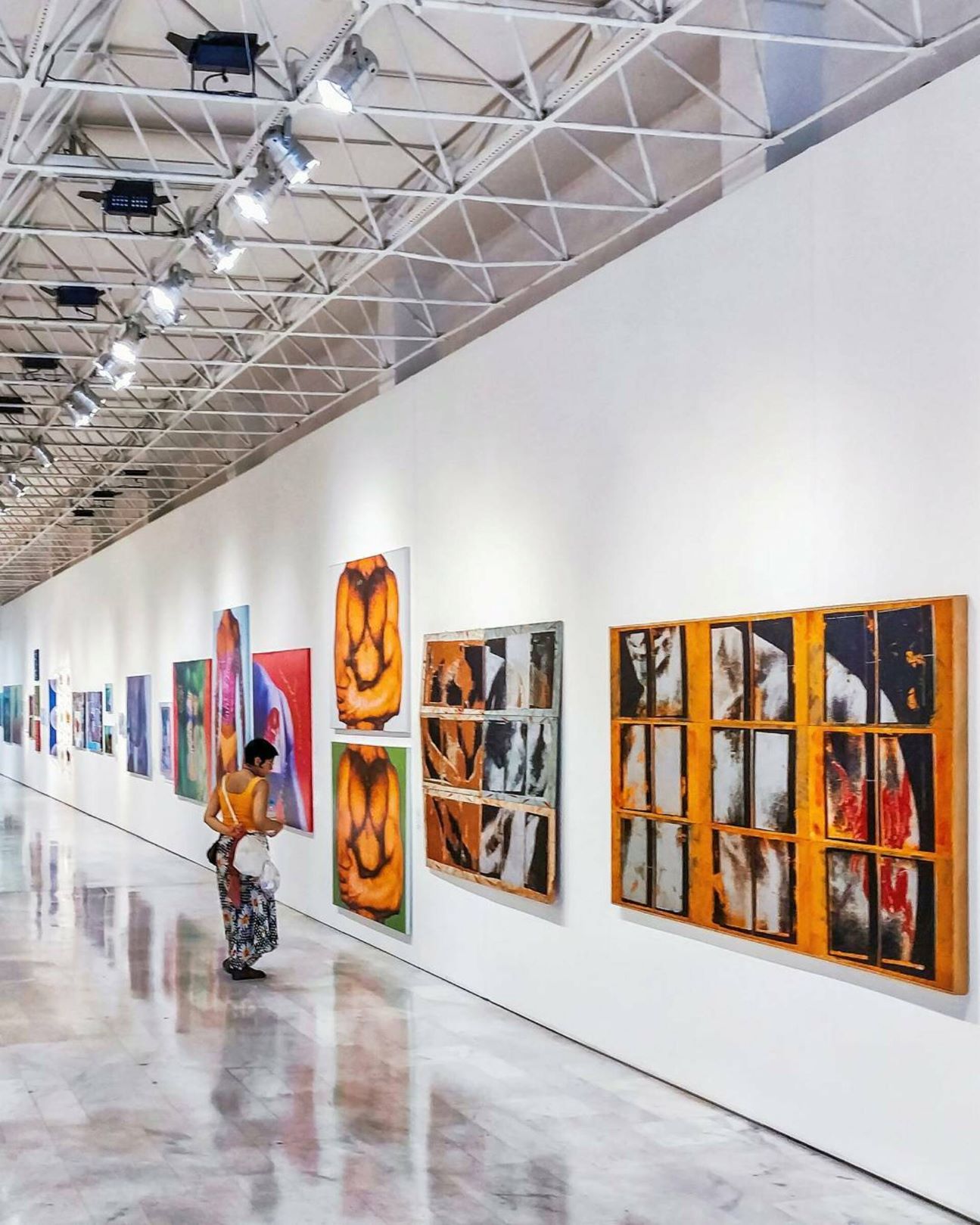
Have you recently visited a museum and felt lost? Many thoughts may flood your head, like where do you begin? How do you approach artwork? True, it all boils down to the same question — How to appreciate art, especially if you are not an artist?

To many, museums always appear intimidating at first glance – with all the art pieces pristinely displayed in a gallery of white walls. Coupled with that, some details are enclosed with glass boxes with dazzling lights shining on the works. Yes, it is no wonder that some of you would fear visiting galleries.

Everybody has their own opinion of what constitutes art. Try these easy tips if you want to extend your parameters and understand how to appreciate them. Who knows? You might become that person who can see the appeal in any art form.

Eight Tips For Art Appreciation

1. Learn a Little Bit Daily. Learn about art every day. It does not matter how little you learn. Imagine, if you dedicated five minutes a day to learning something about art, you would have invested over thirty hours into expanding your knowledge in a year. The excellent part is that it takes no time out of your day. Try writing down what you grasp in an art journal and assess what you take throughout the year!

2. Try an Art Project. Try doing a project. You might have an idea of something you have wanted to try but have been too intimidated. Now is an excellent time to jump in and get your feet wet. It might turn out terribly, but that is not the point of this exercise. The experience would be a great way to see what it takes to make something from your imagination. Your appreciation for it will grow.

3. See Through Different Angles. Discover new ways to view the same thing. Try looking at it from different angles. Turn sideways to check what it looks like from a fresh angle. If you are good at handstands, go to the extreme and look at the art upside down!

4. Think About Your Feelings. Think about how an artwork makes you feel or not feel. Then, ask somebody else how it makes them feel. Your life experiences might come into play when you think about a painting, so that it would be an interesting discussion.

5. Accept It. Accept that you would only understand some things. You may have tried some of these ways and need more recognition to share. Acknowledge that only some are interested in the same thing, which is okay. Like, modern art.

6. Analyze One Thing. Pick one painting/artwork and analyze it. Try asking yourself these questions:

a. Who made it?

b. When did they live?

c. What were significant events that happened around that time?

d. Do you think their artwork and the period during which they lived are related? If so, how?

7. Visit a Museum. It can be classic, like the art museum that first pops into your mind. However, you could also try something fun and have a fun day exploring the exhibitions created by creative people around a particular theme!

8. Write What You Know. Write down the various types of art that you know about. Now, try the following:

a. Watch YouTube tutorials for how to do each thing you wrote down.

b. Try understanding the investment of time and money it takes for an artist to become experienced enough to do what they do. 

c. Try to “hear” each artist’s voice as they convey what they do and how they got started.

Parting Words

After that, it is YOUR turn to shine! After understanding the artwork, you are ready to decide – Do you like the work? As the saying goes, “to each their own”; everyone has their preferences. It is okay if you do not like or cannot appreciate an artwork; keep venturing and exploring! You may find something else that suits you and that you understand. Are you ready to view an exhibition with a fresh perspective? Are you prepared to put your art appreciation skills to use? Come check out the art and paintings on October Sun – do check out the things they offer on their site and get to know them!

Confidence of the Self as a Vital Key to Enlightening the Spirit

Photo by RODNAE Productions

Wendy Veronica Lisare’s The Other Side of Fear presents a way that is often ignored in conversations about spiritual awakening, and that is speaking words of blessing about oneself.

Although I am a devout believer, I have never considered myself much of a religious person. I’ve always done my part according to Scripture and regularly attend mass. But reading Wendy V. Lisare’s The Other Side of Fear had me thinking. It is not enough to believe and do as I should. To possess a genuine relationship with God and act accordingly to his will, it is crucial, deeply so, to be actively faithful.

Now, what does that mean?

2 Corinthians 5:7 instructs that “…we live by faith, not by sight.” This phrase tells us, rather straightforwardly, that faith is something we, as believers, should deliberately incorporate into our daily lives, consistently placing God in our hearts and minds with every step we take. And that starts with opening up and speaking words of blessing about oneself, creating the self-esteem to properly follow the path the Lord has laid out for each of us and reaching it towards the end. 

Where Can We Find Self-Esteem?

Self-esteem, or confidence, is built from having a firm sense of security and purpose. When we were younger, many of us sought these two from our parents and friends. Later, when we grew older, we searched for them in our partners, work, and accomplishments. But these are temporary things. We can lose our parents, friends, partners, work, and even our accomplishments will feel hollow given enough time. If that is the case, how can we develop the needed self-esteem to follow God’s plan with the proper conviction?

Of course, the best source of security and purpose is God Himself. God has seen our worst qualities and knows what sins we have committed, yet His heart is still open and overflowing with infinite love. It is no coincidence that He sent Christ after all. Was it not so that we were given the way to be absolved of our imperfections and allowed to become better than who we are?

How Can We Establish a Relationship with God?

Learning from the Biblical Canon

Regularly opening the Bible and meditating on its words for valuable insight is not just something a priest should do, but everyone who calls themselves a believer. Simply dedicating an hour to deep contemplation of God’s words is more than enough to immerse oneself in His vast wisdom and glory. It is more so a reminder of the rewards of pursuing His infinite love and eternal warmth. Scriptural reading is also a very flexible activity you can conduct with yourself or others. Unlike mass, reading the Bible is an act that can be done almost anywhere, provided you have a pocket bible or have downloaded an app on your phone.

By regularly opening the Bible and relishing in its knowledge, one remembers their place in the world and God’s plan, strengthening your trust in Him and yourself.

Giving Grace and Thanking the Lord

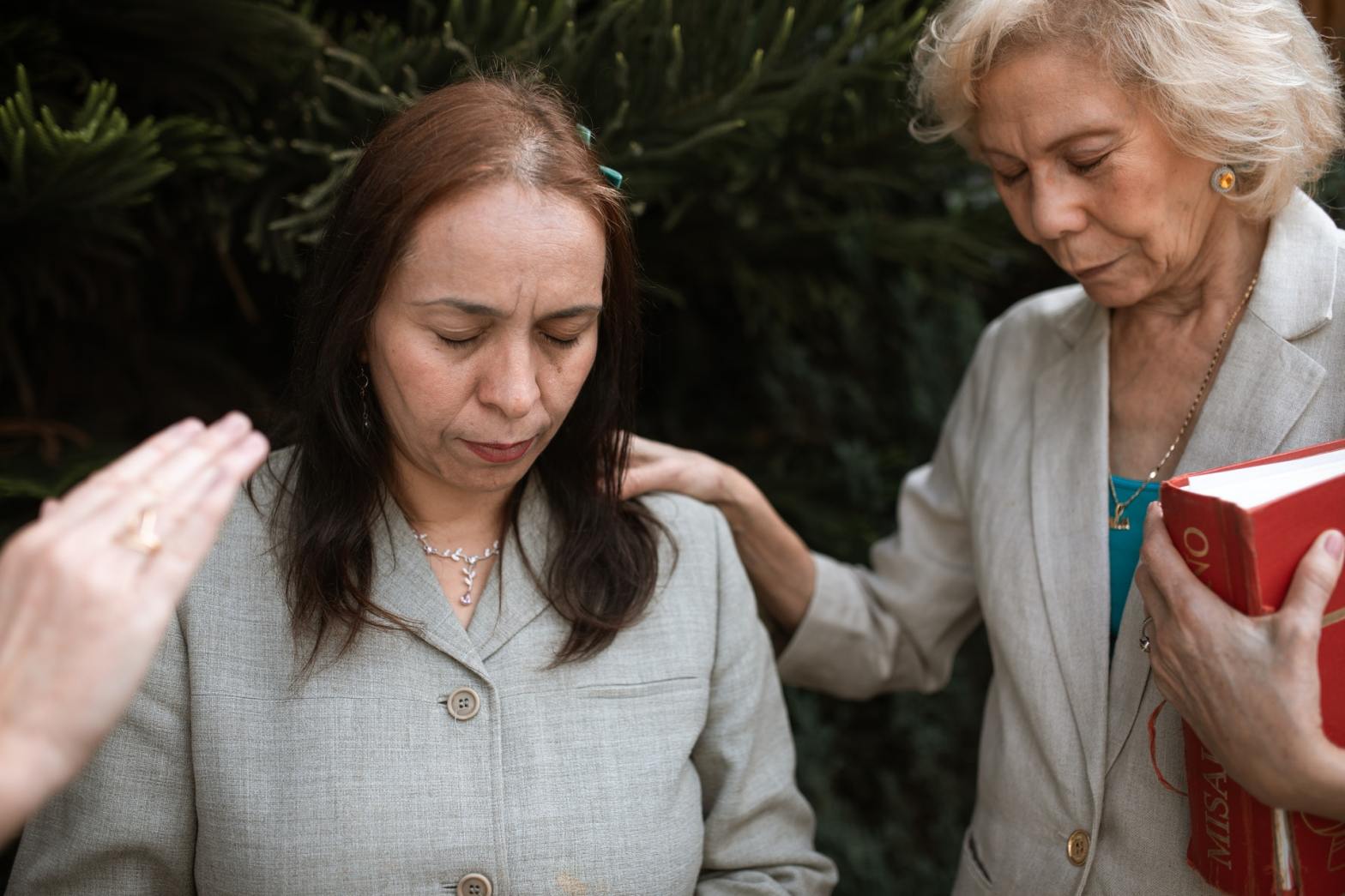
An excellent and undemanding way to consistently exercise one’s faith and showcase devotion to God is through prayer. There is a stereotype among believers that we only pray when we ask for something. Still, it is easy enough to evade those pitfalls and be firmly focused on praising and thanking God for His blessings and the opportunity to be an instrument of His most divine will. A reasonably actionable routine could be a prayer after waking up and before sleeping, each time thanking God for the chance to do so and the good things that happened prior. Similarly to passing the time simply by talking with someone and developing a more solid relationship, praying to God does this also.

Embodying the Virtues of a Good Christian

Beyond reading the Bible and constant prayer, the most effective way of establishing a solid relationship with the Lord is directing that faith outward and encouraging others to engage with their faith as well. Remember, we are not alone; it takes a community to spread God’s love. What is more, anyone can do this in several ways: conducting charitable works, participating in church gatherings, volunteering in community outreach, and even just being there for other believers can be a vector for profound change.

The Wild and Unexpected West: California During the Gold Rush

Photo by Susan Wilkinson

Experience the California Gold Rush in Gerald Brence’s book, Ox in the Culvert, set in a time where both the good and the bad made their marks and where opportunity beckoned only to the bold.

Though it features prominently, the California Gold Rush in Gerald Brence’s book, Ox in the Culvert, was more than just a setting; the events that started the gold fever and ended utterly changed the world.

When gold was uncovered at Sutter’s Mill in Coloma, California, by James W. Marshall, he would have never imagined the domino of events that would occur, but occur—it did.

Just days after Marshall found gold, the Treaty of Guadalupe Hidalgo was signed by the United States of America and the Mexican Republic. The treaty officially ended the Mexican-American War and gave the United States sovereignty over a large swathe of ungoverned territory, which included the state that was to be known as California.

Though there were attempts to keep the discovery of gold a secret, they never worked. The California Gold Rush began in earnest after the news of gold brought around 300,000 people to California from all corners of the globe, looking to strike a fortune and live the rest of their lives in leisure and comfort. The sudden increase in gold greatly affected the American economy, which had lagged due to having just finished a war. The unexpected flood of people allowed California to acquire statehood swiftly.

An Explosion in Population

Before the Mexicans ceded the territory to the Americans, there were only about 7000 people. When newspapers spread the fortune of Sutter’s Mill all over the globe, the floodgates opened. The first people looking to try their luck came from Oregon, Hawaii, and Latin America. At the Gold Rush’s peak, there were approximately 300,000 people who had come looking for gold, who either arrived on land from the California Trail or the sea through the Gila River after a perilous voyage full of hardship and trouble. From its beginning until its end, the Gold Rush attracted thousands of people outside the Americas, with Europeans and Australians journeying to the territory en masse. There were even miners from China!

Owing to this diverse rush of people, California has been a firm multiethnic, multiracial melting pot in the United States.

The Fast Track to Statehood

Alongside the Gold Rush, another boom was also happening in California: the Agricultural Rush. Farms and ranches snowballed to meet the needs of and accommodate tens of thousands of new settlers. San Francisco, which had just been a tiny hamlet of 200 people, exploded into a city of 36,000. Infrastructure developed rapidly throughout California, with roads, churches, and schools getting built where there was a glut of people. Other towns also sprang up in the wake of the Gold Rush, prompting more roads, churches, and schools.

These all culminated in writing a state constitution in 1849, with California becoming an American state the following year.

The Decimation of Native Americans

Although the Gold Rush enriched many people, it also resulted in the genocide of several indigenous cultures. They were attacked and driven off their ancestral lands by venturers looking for gold wherever they could and Federal agents who wanted to exert more authority over the newly acquired territory. The methods and operations used to dig up gold and transfer it also led to the poisoning of bodies of water, the destruction of ecosystems, and the extermination of local wildlife. Native Americans who depended on nature for food and shelter were forced to starvation and disease. The expansion of farmland was another contributing factor to the demise of California’s Native Americans.

The death toll on the Native American population was so significant that their numbers have never recovered.

Impact Outside California

After the Gold Rush had dried up, California became associated with opportunity and fortune, attracting even more settlers and immigrants despite the gold fever dying. Such was the immense wealth acquired in the state that it was not only the United States that the Gold Rush stimulated but other countries also. Farmers in Latin America and Oceania opened up to a hungry overseas market while the British saw increased demand for manufactured goods. From across the Pacific, Chinese clothes and prefabricated houses arrived.

Contemplating the Word Of God Among the Leaves and Along the Rivers

Photo by Markus Spiske

In Dr. Linda De Coff’s seminal The Songs of Eternity, she outlines insightful methods for a profound and intimate conversation with the higher entities that exist beyond the reach.

The Holy Bible of the Christians begins, in its earliest iteration, with the Hebrew word: Bereshit (בְּרֵאשִׁית‎), which means “In the beginning.” In the beginning, God created the heavens and the earth, and there He began creation with the words, rendered here in English, “Let there be Light,” making night and day. What followed would be the rest of the world: sea, sky, land, animals, plants, and eventually man, Adam, and from him, woman, Eve, whose names mean earth and life, respectively. 

These would be the events that precede the incident in the Garden of Eden. Wherein, despite a stern warning from the Almighty, the woman Eve would eat from the fruit of the Tree of Knowledge of Good and Evil. She would entice her husband Adam, and God would exile the both of them into the wilderness beyond the fringes of Eden to eke out a life outside of His eternal light. 

In hindsight, the echoes of their banishment would resound throughout human history, and spirituality will always trace back to their expulsion from the Garden. Hasn’t the history of human spirituality always been like that? The desire to return to the Divine, to rest beneath His light and be amongst His creation?

In this way, human spirituality is to reconnect with nature, overcome regret, and commune with God again, as man’s privilege was before Adam and Eve were thrown out of Eden.

Going Beyond the Confines of Mankind

Now that it is known that spirituality, faith, and religion merely attempt to reconnect with the Almighty Father, what should people do?

Remember that humanity built much of human civilization in resentment for being punished for the first sin. If God shunned humankind from the Garden, they would make a garden for themselves–one of steel and cement, smoke and sewage. 

While it is not to say that you cannot find spirituality within the urban concentrations of man, it is challenging to do so without the proper rituals and adequate spaces.

As such, for those who walk by themselves in pursuit of understanding and meditation on the Sacred Principles, people must find a space best suited to their needs.

Why the Natural World Resonates with Mankind

Where, then, is the best space to begin

Of course, it is among His creation. In the wild places that are yet to be touched by the corrosive touch of man, there can be found the best opportunities for profound transformation and deep contemplation. 

Walking together with nature is to harken back to the first steps of Adam and Eve through the forking paths of the Garden of Eden; it is to acknowledge humanity’s dominion as shepherd and caretaker over God’s creations.

But it is the cultural bitterness of leaving Eden that humanity spurned their appointed and sacred duty. So, an aspect of convening with the Lord and ascending to a higher plane should be the recognition of this dereliction of duty and advocacy for humanity to take up their mantle truly.

Finding the Word of God in the Wild Places

The first word of the Holy Bible is Bereshit, “In the beginning.” 

With this word, creation began, and, as such, nature itself, the whole of it, is wholly infused with the Word of God. The Word of God manifests in the rivers to the mountains, the pebbles to the raindrops. It is waiting to be understood and reflected by humanity.

The Songs Of Eternity ~ Contemplations, Treatments, and Meditations on the Word of God

A treasure trove for the spirit and a heady salve for the soul, Dr. Linda De Coff provides readers with an enlightening guide on how to fully and readily understand God’s Word through The Songs of Eternity, a collection of timeless instructions and corresponding meditations that incorporate the Sacred Principles. 

With her insights and thoughtful commentary, individuals can begin to reflect on the greatness that permeates the world around them and, perhaps, be given a chance to glimpse the Perennial Kingdom of Light and Christ.

HALLELUJAH! May we each witness the Civilization of Light and the Christ Race.

How To Break Free & Let Go

Photo by Pixabay

Overcoming a hurtful and bitter past often takes superhuman strength from someone who went through it all. Sadness, pain, and bitterness are all inherent emotions that make people human. But staying and living too long in these feelings and conditions would lead to an individual’s downfall if left untreated.   

Moving on from a traumatic experience is perhaps one of the most challenging things to do in life. 

A person could be tied down by many things that prevent them from taking those steps toward healing and letting go. It could be that the pain runs deep or the feeling of regret is limitless. Or, a significant factor could also be that stigma tied to the person that somehow blocks and demeans their confidence and effort to make a complete turnaround in their life. 

The book Real Prison Real Freedom depicts the real-life story of notorious Texas inmate Rickie Smith and his life-changing journey. Prisoners and ex-prisoners are tied to this stereotyped image of dangerous criminals and are generally shunned and rejected by society. This mindset holds individuals as prisoners and moves them farther and farther away from any chance of rehabilitation or changing their life completely. 

What if something terrible happened to you, something so physically traumatic that you dreamed of it every night? What if you did something wrong and had difficulty forgiving yourself and moving on in life because society refuses to make you forget? 

Why it’s challenging to let go?

People often expect magic behind the phrase “let go.” The truth is so much power, and effort goes into making the act of letting go come true. 

It’s not easy letting go of a grudge or anger. It’s not easy to forgive someone who betrayed you the most. The pain and bitterness become a comfort blanket. Reliving sad and bitter memories became an embedded habit, and these negative emotions started cutting people off from the realities of life. 

But why are people so attached to traumatic experiences? 

A study by the American Psychological Association described that one of the reasons why people are caught up in reliving the past is because of rumination. Rumination is people’s act or inclination to overthink or think about the same things over and over again excessively. 

Another reason why people have a hard time moving on is because of their avoidance or refusal to accept the incident that has taken place. They’re in this world of denial, still refusing to acknowledge that something painful or wrong has happened to them. 

How to Break Free

If you’re trapped in this world of anger, pain, and bitterness because of a traumatic experience, climbing out of it and breaking free will be difficult but certainly possible and achievable.

Remember that it is normal and an inherent human reaction to feel sad and angry, but staying and living with these emotions for too long is when it starts to become unhealthy. At some point, you must strive to live a healthier and happier life again. 

Here are some steps to start living life again and breaking the chains of a traumatic past. 

Practice Mindfulness  

Mindfulness is the state of being aware, focused, or conscious of the present moment. It is acknowledging, feeling, and accepting all thoughts and feelings going through your body. People who have gone through traumatic experiences are often advised to practice this meditation-like exercise to take all the positive or negative emotions without any interpretation, biases, or judgment. As they say, face it, don’t avoid it.

Mindfulness ultimately helps people to be more compassionate and forgiving towards themselves. Those who have started this journey can begin doing simple breathing exercises, meditating somewhere quiet, or using visualization techniques. 

Don’t Let Your Past Define You

Your past may become part of your history that you could never erase, but it should not shape you as a person or your future. Focus on committing yourself to creating a different and better future from what you started. It will be challenging to do so in the face of judgment, stigmas, and stereotyping; that’s why you need a strong will to carry you through. 

Make it a daily habit to tell yourself that you’re better and stronger than ever. Put little reminders here and there of your life’s goals or dreams so you won’t lose your way to achieving your prize. Remember not to let what other people think of you and your past define who you are as a person. And always welcome every new day as an opportunity to create and begin something new. 

Nurture a Healthy Lifestyle

Your mind can only do so much, depending on how your body functions. If your body is weak, your mind ultimately shares the same condition. Your will to want to change will amount to nothing if your body is not healthy. 

Start eating nutritious food. Exercise daily and consistently. Also, make it a habit to get a good night’s sleep and rest as much as possible. 

Seek Professional Help

If it all starts to become too much and confusing, and you have no idea where or how to begin, then it’s probably time to seek professional help from licensed therapists. These mental health experts can help you process your grief and traumatic experience the right and recommended way. They’re trained to help their patients clarify their thoughts and feelings and guide them on how to best tap into their inner selves. The best part? They’re also trained on how to listen if you feel the need to rant or cry. 

Small Steps

Breaking free and letting go is never easy, but not an impossibility. All it requires is the will, the passion, and the determination for a change and to break free from the chains that bind you to a hurtful and traumatic past – and those small steps that would slowly and surely take you forward.

Finding Faith and Freedom in the Unlikeliest of Places

Photo by RODNAE Productions

Real Prison, Real Freedom is the life of Rickie Smith, who was known as the worst Texan inmate. When it looked like violence would follow him forever, he encountered the Gospel of Jesus Christ.

Prison, for most, is simply a distant place where criminals are kept and justice is dealt with—where good people are scarce, and violence is the law of most interactions. Most people will never see the inside of a prison; if they do see it, it will only be through the safety of a screen in the comfort of their living room.

But for many people in the correctional systems, prison is a place they will have to know intimately, and for some, prison becomes the only home they will ever know.

The United States has about 200 million people inside its prisons and jails. This mass incarceration gestures to a severe problem with criminal activity and how society defines what a crime is. Sometimes hopelessness and despair are the only options for those in the system.

Prison sentences differ from state to state, and treatment changes from facility to facility. This inconsistency means that the experiences that individual prisoners have can vary greatly. In US prisons, specifically, there is tension between the correctional officers and the inmates.

Rosser McDonald’s Real Prison, Real Freedom, recounts the life of one Rickie Smith.

Although this elaborate narrative compiles the themes of abuse and addiction, racism, mental illness, marriage, and violence, Real Prison, Real Freedom, at its roots, is a book of the transformative power of redemption, faith, and Christ.

The Arduous Life of Rickie Smith

Rickie Smith was brought up in a fragile household with abusive parents. Incessantly, there would be aggressive confrontations between him and his father. This constant domestic scramble would continue throughout his teenage years, where Rickie would sink into other forms of impropriety and sinfulness—sexual immorality, substance abuse, and physical disputes.

As a young adult, Rickie would become quite intimate with the justice system, crowding city and country jails for many crimes and misdemeanors—theft, drug and illegal firearms possession, and battery.

In the early 1980s, these misdeeds would result in Rickie being detained and imprisoned, after being charged with controlled substance possession and for breaking the window of a police car after an altercation. If he had only stayed put, Rickie would’ve been released after ten years—but inside prison, he got acquainted with the Aryan Brotherhood, a group of white supremacists, acquiring notoriety for being violent.

This persistent violent streak would push Rickie to more restricted confinement. After the attempted murder of a fellow inmate, his previous ten-year sentence would become a hundred-years one, virtually a life sentence.

The Transformative Power of Faith

Rickie would spend decades languishing in the carceral system, sad and desperate. Within those years, a church-sponsored ministry would attempt to rehabilitate him, but it was only after reaching a shallow point that Rickie would become more responsive. It was a verse from Matthew: “Come to me, all you who are weary and burdened, and I will give you rest” that would ultimately persuade him to try and accept Christ into his heart.

In the months after his reconciliation with the ministry, Rickie would be baptized and become quite the positive influence on other inmates, who saw he had changed and endeavored to follow him.

Rickie’s story shows how transformative the light of Christ is; as McDonald would say, “[Rickie] went from being one of the worst [inmates] to being one of the best in the Texas prison system.”

For people feeling as if they’re in a pit, Christ is waiting for them to look up and see the hand He has reached out.

About Rosser McDonald

After leaving his career measuring and recording earthquakes, Rosser McDonald pursued a job in mass communications, specifically radio, where he found unexpected success, eventually becoming a news reporter for television in Oklahoma and then Texas.

During his years as a reporter in Dallas, McDonald found a calling as a documentary filmmaker, winning several Telly Awards and receiving an Emmy nomination twice. His much-lauded documentary Set Free let him develop relationships with hardened inmates, which allowed him to meet Rickie Smith, the primary subject of Real Prison, Real Freedom.

Now retired, McDonald enjoys life with his wife, Glenda, a musician but still communicates with his acquaintances in prison and corresponds with other filmmakers to produce Christian-themed films.

Design a site like this with WordPress.com
Get started