
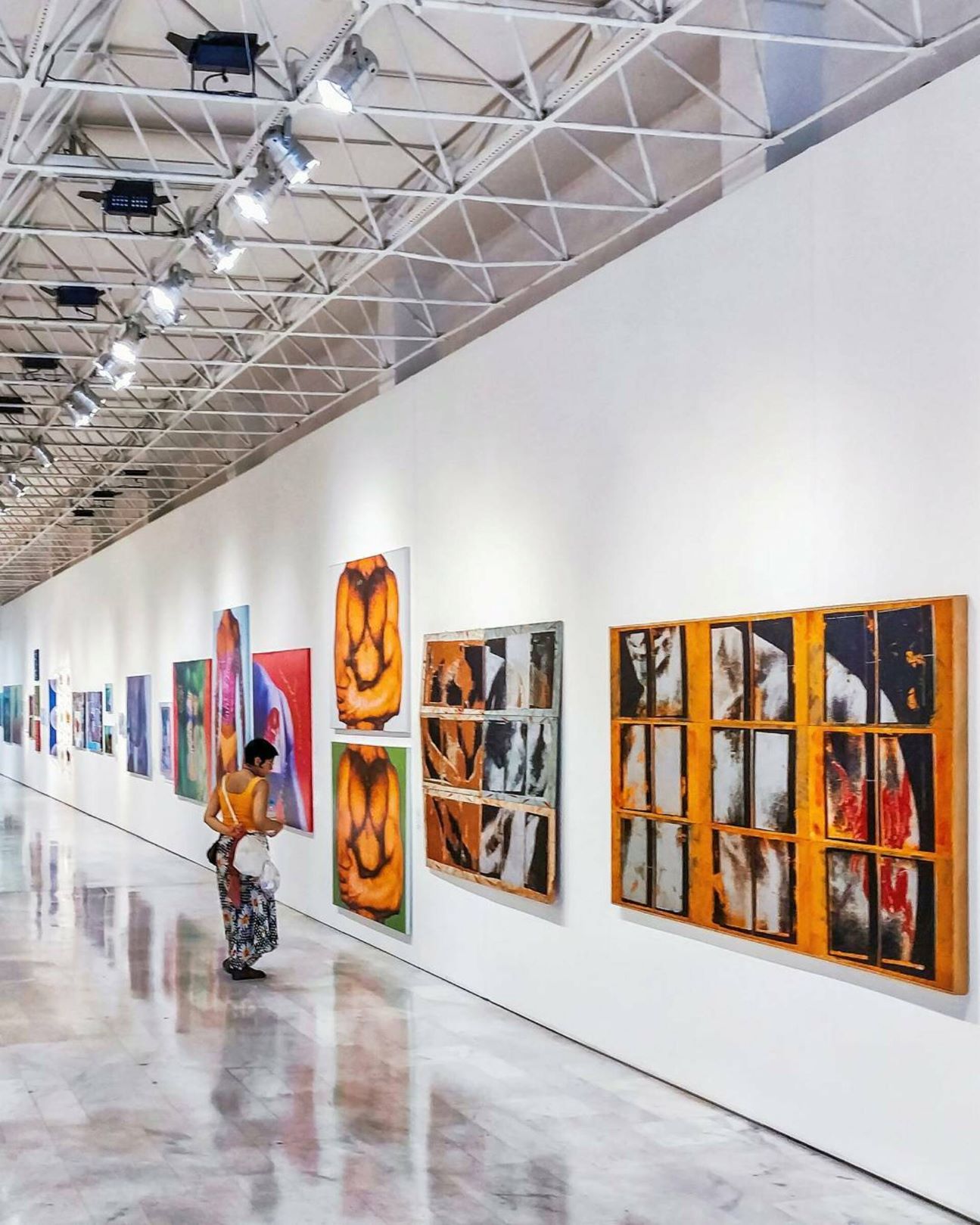
While we cannot resolve the philosophers’ debates, we can explain how Art is practically valued in the market.
For centuries, philosophers have waxed and waned about the value of Art. Contrary to popular myth, the industry has a recognized and rigorous system for determining the value of fine Art.
This system forms the basis of valuations, which collectors of all kinds employ for personal and business purposes. In fact, for many collectors, valuations represent another form of care; just as expert framing protects a work from sun damage, valuations verify a work’s position in the market. How? If you have wondered exactly what goes into valuing a work of Art, read on.
What Is Value In Art?
The elements and parameters that determine the value of Art have indeed changed from the past. Until the coming of the modern era, the question about the importance of Art could be answered more efficiently, considering the purpose served, materials used, the dimensions, the notoriety of the artist, and the commissioner – a prevalent figure back then. Although not all of these elements have disappeared, they are certainly complemented by others.
Elements That Define The Value Of Art
Although simplistic, like all classifications, a helpful categorization of the various aspects involved in the definition of the value of Art includes:
a. The intrinsic or inherent value of Art about its symbolic quality;
b. The social value of Art;
c. The commercial (or market) value.
The Intrinsic Value Of Art. The intrinsic value of an art piece consists of what cannot be determined by numbers. The most challenging one to pin down, the intrinsic (or inherent), is a highly subjective emotional value connected to how a distinct work of Art makes the viewer feel and what sensations it provokes. Furthermore, all these variables depend upon education, cultural background, and personal life experience. And are relatively independent of the materials employed.
The Social Value Of Art. Another pertinent element of art value is societal meaning. Art, indeed, is a means of communication. It passes values, ideas, feelings, and concepts, which each observer might receive differently but still vehiculate ideas concerning society and the human condition. When producing Art, an artist shares a sentiment, a story, and cultural elements. The moment individuals perceive it, they also understand it and project their feelings, stories, and cultures.
The Commercial Value Of Art. The third main element of an art value is its price or market value. Given what was mentioned about the intrinsic and social significance of Art, it should be clear now that an artwork’s price is not identified in the same way as utilitarian goods. The commercial value of an art piece is determined according to some collective consensus, a human stipulation to define it.
What Makes An Art Valuable?
The auction houses and galleries primarily determine the market value. The consensuses born in this context are accountable for establishing a pricing history for an artist or an artwork, which aids new works or works resold to be priced on the market.
Below are the inputs to this process:
Quality is ‘Je ne sais quoi’. It refers to those intangible traits that inspire people to stand in front of a painting for hours on end, head tilted. Sometimes quality arises from the formal characteristics of a work, such as an artist’s technical execution and composition, or else from its subject’s poignancy, uniqueness, or pertinence. A great example would be the Art and paintings on the October sun. Vera Luagina Bonacci’s (the artist) goal in her current work is to go beyond realism and explore the energy, life, and vitality of the nature of her subject and theme. She hopes all her clients will enjoy the stories, be drawn into that kinetic energy, and feel it in their souls. She hopes it will make you smile, wonder, tilt your head, and ponder. Feel welcome to go to her website for any additional or specific information.
Rarity is self-explanatory. If work is sporadic, it is more desirable and valuable.
If a work of Art is damaged, fading, or punctured, its condition is affected. Ideally, your piece of Art will be in stellar condition.
Provenance is an exciting aspect of valuing Art. While objects are typically more valuable if new, artworks operate differently. In this way, a work’s provenance or ownership history can prove influential.
Similar to provenance is the Exhibition and Publication History of a work of Art. If a work has been exhibited or published anywhere significant, its value can strengthen.
Finally, the value of a work of Art can be influenced by its size. If an object is large, it may be more valuable – but this rule isn’t hard and fast
 The Damsel’s Files