
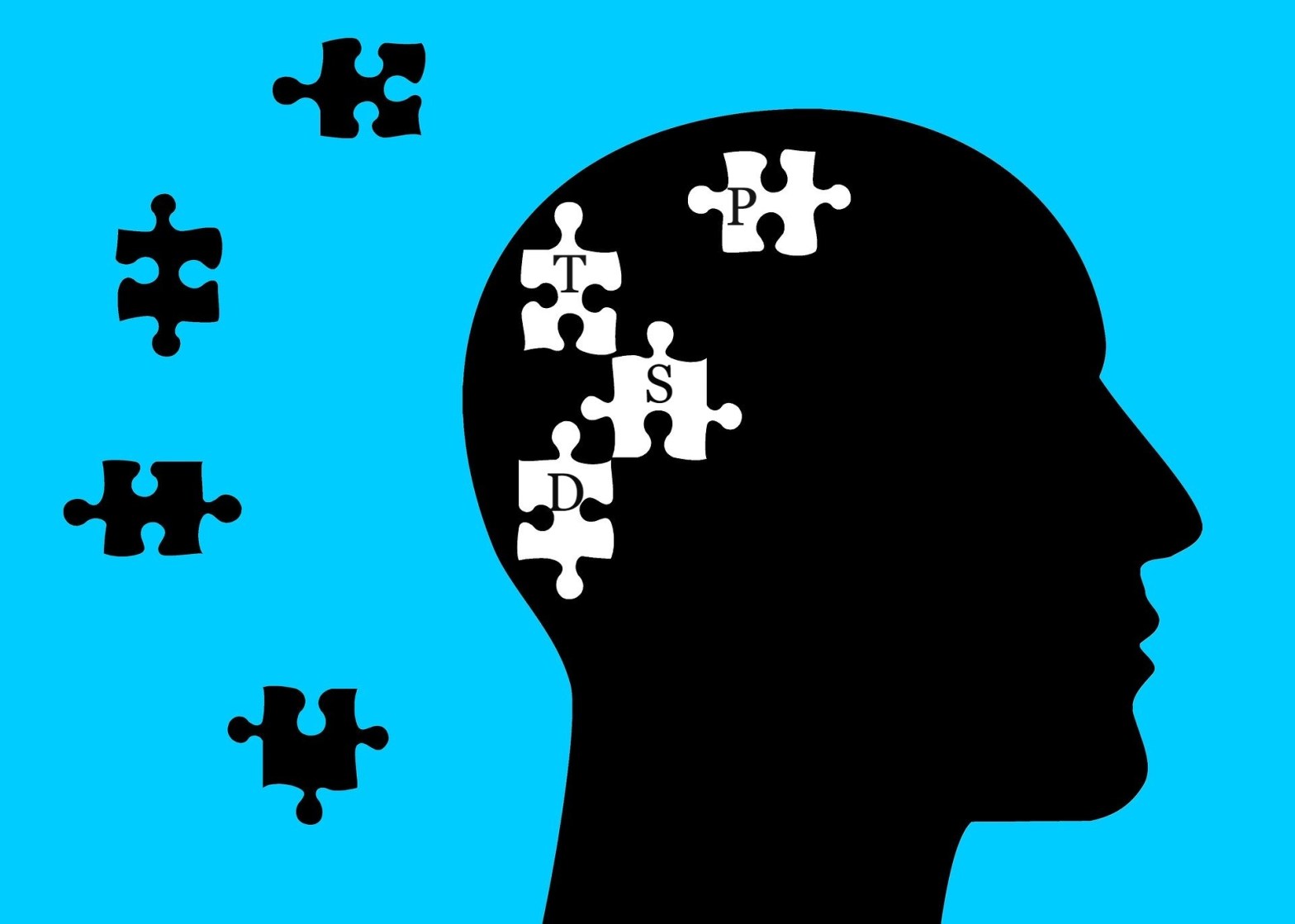
Post-traumatic stress disorder, also known as PTSD, is a type of mental health illness where the person diagnosed with it can be easily triggered by seeing or experiencing a particular terrible and horrifying event. Among its common symptoms are getting random flashbacks, experiencing nightmares, going through severe anxiety attacks, and having unmanageable thoughts about the certain incident. Some of those who are diagnosed with this condition or have been through traumatic circumstances have the tendency to struggle in coping up.
There may be times that PTSD has ruled the minds of people but there are many ways to get rid of it, one step at a time. There are many things that can relieve the pain and suffering that people with PTSD have, such as by doing recreational things or writing a piece of literature. A good example of the latter is the book by a military veteran Tim Segrest called Reflection of PTSD with my Perfect Flaws. Moreover, people with post-traumatic stress disorder can also opt to go counseling or consult a psychologist so that they can be given the proper care and medication that they need.
PTSD is not something that a person can control or choose not to have because every individual has different pain and stress tolerance. It can occur at an unexpected time, like a month, a week, and more, after the stressful and traumatic incident, but it the symptoms of it may not show up until a year or a couple after. The symptoms of the disorder can create massive problems in significant parts of the person’s life, such as in his or her socializing, work, and relationships. It wouldn’t stop there because the emergence of the symptoms can cause several disruptions and changes on his or her daily routine.
The symptoms of the post-traumatic stress disorder can be divided into four kinds, which are obtrusive memories, elusion, negative shift in thoughts and mood, and modifications in both physical and emotional reactions. For better understanding, here is the breaking down of the symptoms along with their scopes.
Obstrusive memories
- Repetitive, unwelcomed disturbing memories of the particular traumatic incident
- Getting unwanted flashback of the memory, resulting for the patient to feel like reliving the circumstance
- Having terrible nightmares about the incident
- Extreme emotional discomfort or physical distress pertaining to a particular object that may serve as a reminder about the event
Elusion
- Attempting to not think or talk about the traumatic and distressing incident
- Dodging the locations, affairs, or people that trigger the trauma
Negative shift in thoughts and mood
- Pessimistic ideas about oneself, others, and the world
- Losing of hope towards the future
- Problems regarding his or her own memories, such as having troubles remembering significant parts of the traumatic incident
- Struggling to maintain and nurture relationships
- Feeling isolated and disconnection from his or her own family and/or peers
- Having no interest in projects or tasks that he or she once liked
- Experiencing warm and positive emotions is becoming hard
- Feeling emotional numbness
Modifications in both physical and emotional reactions
- Becoming simply scared or alarmed
- Constantly feeling the need to be alert for an incoming danger
- Displaying self-destructive behavior, like substance abuse, alcoholism, and etc.
- Experiencing some sleeping difficulties
- Having trouble in focusing
- Showcasing irate, easily annoyed, and intrusive behavior
- Feeling an enormous amount of guilt or embarrassment
For young individuals, 6 year-old kids, who are diagnosed with PTSD, their symptoms may also encompass the following:
- Recreating either the whole incident or fragments of the events by playing
- Having some terrible or scary dreams about the traumatic incident
Moreover, the mentioned symptoms of the disorder have the tendency to get extreme as time goes by. The person may experience a lot of PTSD sign when he or she is stressed or when he or she encounters a particular thing that will cause the individual to remember the traumatic incident. Take for example, the person is a former army and he heard a loud “bang” around their neighborhood, the person suddenly found himself in a middle of a warzone carrying his dead comrade while fighting for survival. Thus, a little sound or thing can definitely trigger one’s disorder.
PTSD, like all mental illnesses, can conquer the minds of people leading to greater problems. That is why it is important that the person suffering from the said disorder to consult an expert on the field of psychology. It is also significant that all people surrounding the individual with PTSD become aware and get educated about the said disorder. It is to prevent the mental condition to get worse and control the life of the individual.
So, if you know someone with PTSD who is feeling unworthy and, worse, having suicidal thoughts, showing that you care and love him or her in a genuine way is already a big gesture. Also, if you think that they need immediate or proper help, here is the National Suicide Prevention Lifeline of the US 1-800-273-TALK (1-800-273-8255).








 The Damsel’s Files