
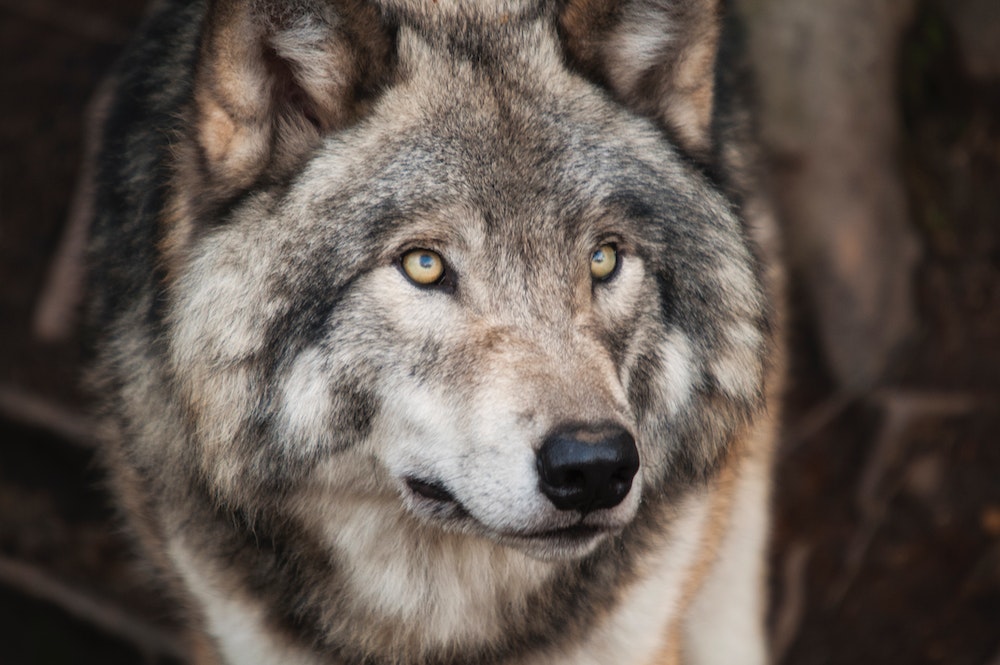
Photo by Steve
Something About Them Wairs from Everett D. Wair Sr. creates a new spin on the myth of the werewolf, a cornerstone of culture and a reflection of the human psyche.
The story of Something About Them Wairs is centered around the community of Lancaster, California, where three men of the Wair family have just committed something terrible, and they want to keep it secret.
After, from an unknown source, a horrific beast begins to terrorize the city, and bodies begin to turn up in grizzly conditions.
What is the secret of the Wairs? Do they have to do anything with the terror in Lancaster?
Howling at the Moon
Legends that speak of the intermingling between man and beast harken back to our primal fears of the wilderness and of treachery. While we love to declare our supremacy over other animals, there is a profound awareness within our bones that, despite our claims of being an enlightened species and our many attempts to rein in our worst impulses, our animal instincts are only a day away from regaining control. Civility belies savagery, after all, as they say.
The idea of the werewolf, or the man-wolf, is a more ancient concept than that of the bloodsucking, undead vampire. Werewolves and similar creatures are some of the earliest creatures of the night that we dreamt up. This is because, instinctively, we are more aware and afraid of the living beast than the entombed dead.
While variations of the werewolf myth exist in almost all cultures, the one thing that unifies them all is the belief that these creatures have the ability to either transform into a vicious wolf or an amalgamation of both man and the beast. Regardless, almost all ideas of the werewolf paint them as bloodthirsty entities that are more beast than man and who have trouble keeping their feral urges in check, which usually lead them to massacre people and animals alike, simply to satiate their bloodthirst.
Some historians mark the first werewolf as being found in The Epic of Gilgamesh, one of the oldest literary works in the world. In the epic, there is mention of a potential lover of Gilgamesh who turned a previous partner into a wolf.
Werewolves are also present in Greek mythology. In The Legend of Lycaon, the eponymous character, the son of Pelasgus, angered the chief Olympian Zeus by feeding him a boy who had been sacrificed. For this transgression against a deity, Lycaon was turned into a wolf alongside his sons.
There are also werewolves in Nordic myths. The Saga of the Volsungs has a story where a father and son became wolves after wearing wolf pelts. They then massacred a whole forest, which ended only when the father fatally wounded his son.
Thinking About Werewolves
Exploring the depths of my psyche in relation to humanity, I begin to look within myself. The werewolf holds a very special place in the human imagination. These mythical beasts have fascinated and terrified everyone equally for centuries. They have stirred the human imagination through their mystery, ferocity, and ambiguity. What is a werewolf? What desires does it hold? If it speaks, will it claim itself as more man or more beast?
Why do we find ourselves drawn to these monstrous beings? What does our fascination say about us? It is hard to tell, but I will try.
One idea that floats in my head is that werewolves are representations of our primal fear of the darkness and the unknown. As creatures who revel in the night and, in many myths about them, only transform during the waning hours, werewolves are strongly associated with darkness and the mystery that tends to be hidden within the shadows. Perhaps this is why myths of the werewolf always inspired unease and trepidation among the people who spoke of them.
Another thing that werewolves have going for them is that they embody the clearest expression of innate human savagery that society and civilization attempt to temper out of humans. It is not scandalous to say that there are plenty of people out there who, if given the opportunity, would break free from the restrictions set by cultural norms and law, embracing their animal instincts and acting as nature intended. Transforming oneself into a powerful and savage beast is a thrilling thought because it offers the ultimate sense of liberation and autonomy, which is incredibly intoxicating, especially in this world that values conformity and obedience. Werewolves offer us a tantalizing glimpse into a world that is wild, unbridled, and untamed—a reality that harkens back to a feral past.
Something About Them Wairs from Everett D. Wair Sr. creates a new spin on the myth of the werewolf. Read more of his books through this link.
 The Damsel’s Files