
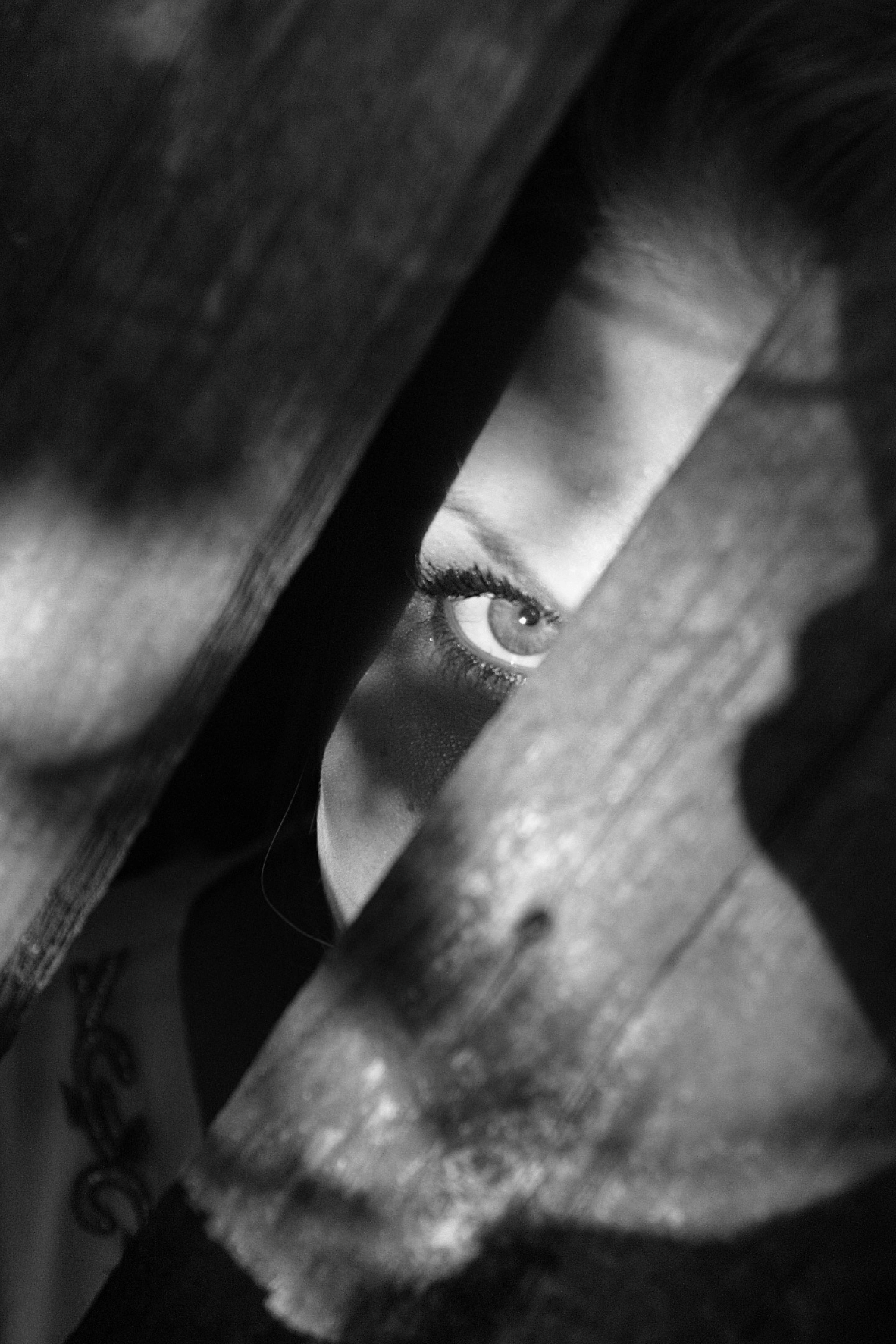
Being afraid is a normal human reaction that everyone goes through. But when the fear gets too much, severe or chronic, then that’s when being afraid becomes something that needs to be addressed and treated.
Atychiphobia is that paralyzing intense fear of defeat and failure. It is an irrational phobia often associated with a mental health disorder that prevents an individual from trying new things. People immersed in this fear avoid new or unfamiliar opportunities, dreading any adverse outcomes such as rejection or loss.
But this is only one of the many fears people face in their lives. People are always afraid of something, whether what they’re frightened of is in the form of a phobia, trauma, or just simple anxiety. Fear comes in different shapes or sizes. It could be anxiety about the result of a test, trepidation over an incoming job interview, or worrying about family or personal matters.
These challenges are akin to mountains that people need to climb and overcome.
Alan V. Goldman’s book of poem Reflections on Mountaineering invokes the profound feeling of success and satisfaction over confronting and overcoming life’s problems. The mountain’s symbolistic presence represents all the obstacles and hurdles people face throughout life. Only through climbing and going over these mountains shall individuals achieve that feeling of conquest, accomplishment, and even happiness.
The Impact of Chronic Fear
The ultimate fear of failing prevents people from conquering their “mountains.” This overwhelming emotion has manifesting physical symptoms that include: difficulty in breathing, tightness or pain in the chest, fast heart rate or palpitations, digestive problems, cold sweat, hot or cold flushes, dizziness, lightheadedness, nausea, and so on.
People can genetically inherit chronic fear, meaning mental health disorder runs in the family. Low self-esteem or self-confidence can also lead to developing this fear of failure. The fear could also be a learned behavior influenced by the environment the individual has grown up or is immersed. Or it could even be a result of a traumatic experience.
What happens if fear is not addressed?
The impact of fear, especially if it becomes severe and chronic, could turn long-term and even reach a point where it’s hard to come out and be saved.
Physical health is one of the first things that gets affected by this immense emotion. This feeling of fright harms a person’s cardiovascular and gastrointestinal systems. Untreated symptoms can lead to premature aging or even death.
Another negative offshoot of chronic fear is the impact on the person’s mental health. The person could develop PTSD (post-traumatic syndrome), clinical fatigue, or depression.
Overcoming the Fear
Treatment of this phobia or fear varies from each person. The positive outcome is not an overnight process since it takes time, discipline, and proper handling to help someone be free from this imprisoning feeling.
The good news is that some ways and methods can aid an individual in their journey towards breaking free from their fears.
Exposure
Gradual yet consistent exposure to things that frightens you is one step closer to overcoming fear. Hiding and shying away from the things you’re afraid of is never the solution. If you don’t try to confront and face your fears, you’ll end up hiding and running away all your life – a very unhealthy way to live.
Visualization
Another technique to override fear is what’s called the visualization technique. For instance, you fear speaking in public, but then you’re assigned to give a speech in front of a large audience. To get you ready for the big day, do some mental exercises. While practicing for your talk, visualize you standing in front of a stage and facing the audience. Visualization is equal to enacting the possible scenarios that could happen while you’re speaking. Picture yourself putting on a brave and confident front while looking toward the audience. You’d soon see the excellent results that could come from a simple visualization technique!
Put on a Positive Outlook
Countering fear with positive thinking is a compelling way to get over something that frightens you. Positive thinking can help you build a more excellent resistance against stress, whether physical or psychological; in this case, stress and anxiety are caused by blinding fear.
A positive outlook on life could also motivate you to make lifestyle changes. Mindfulness exercises, relaxation activities such as yoga or deep breathing, and regular exercising are suitable methods to fight against chronic fear.
Your Choice
You don’t have to live in fear your whole life. Fear is a normal human reaction, but the chronic or severe feeling of being afraid makes it not usual. It’s up to you whether you choose to live a life free from binding fear so that you can breathe freely or live a life imprisoned and burdened by this negative emotion.
Create a robust support system surrounded by family or friends. Avoid consuming or doing things that tend to worsen this feeling. Approach and get the aid of a licensed physician or psychologist if you need to. You must acknowledge that you need help and take the first steps toward treating your fears.
And sooner or later, these steps will lead you to conquer your mountains successfully.
 The Damsel’s Files