
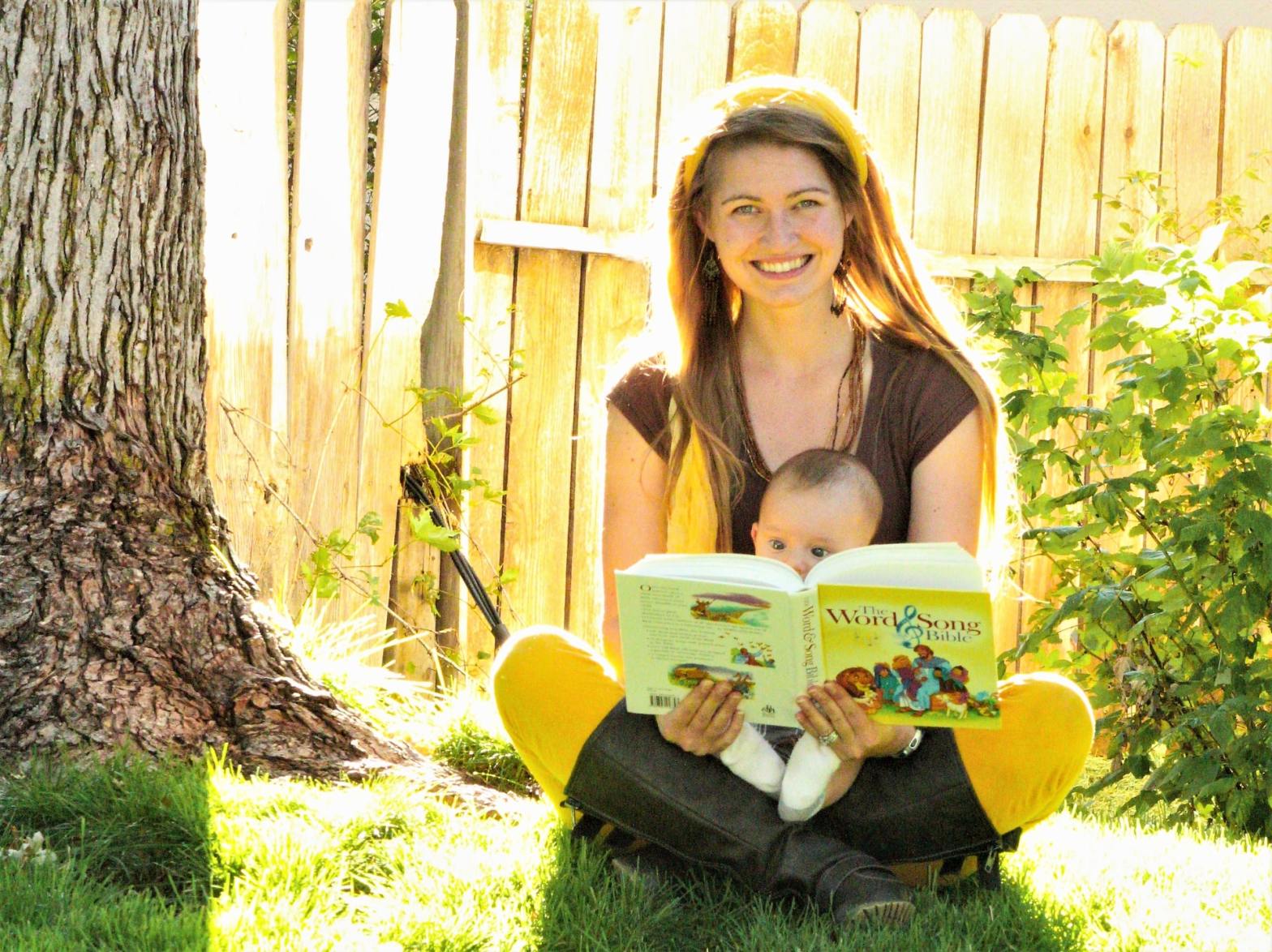
Literature plays a vital role in teaching children about not only primary education but also faith and religion.
Faith and religion are two essential things that parents need to teach their children. In many parts of the world, religion is handed from generation to generation, like a sacred heirloom. Many of us adapt our parents’ and forefather’s faith. That has always been the way things work.
But, the fact is, faith and religion are not heirlooms that children can accept blindly. They must be taught and made to understand its teachings, tenets, and traditions. While eventually, they will be able to observe it, systematic teaching or lecturing about faith and religion is still important. That is why Catechism is a vital tool in the Christian faith.
Catechism is a summary of the principles of the Christian religion in the form of questions and answers, used for the instruction of Christians.’ This practice of teaching converts and would-be Christians has benefitted one of the most influential religions in the world. Educating the faithful and expecting them to practice the Christian way of life is the main thrust of the Church and religion, any religion for that matter.
Moreover, over the years, the Christian Church has evolved and has adapted various ways of teaching catechism worldwide. With modern times and liberal ideas all over us, Christian catechism has dramatically changed as well. Dull lectures are now replaced with youth camps, small circle discussions that are peer-oriented, and other interactive methods to spread Christianity to young and adults. Literature has also played a notable role in spreading the Gospel and the Christian message.
A Creative Catechism and Children’s Literature
The Adventures of Cammy Lambie in the Place of the Big Blue Sky is a children’s illustrated book by Mara-lee Stricker. It features the adventures of a young lamb named Cammy, who is joined by his twin brother Sammy, his Mother Ewe, and Granny Lambie. The book contains stories and adventures that introduce kids to the concept of God and Christianity. Mara-lee Stricker’s biography states that she is a mother and a grandmother with four grandsons.
In her book, there is a reference to her grandsons. They probably inspired her to write the book. Stricker’s book is a simple year handy tool to help parents answer some of their children’s questions about God, Jesus, and Christianity. It is a perfect example of using children’s literature in developing creative means to catechize our children. Kids have a short attention span, and yet they are inquisitive. To catch their interest, we employ artistic ways to teach them about Lord and the idea of Christianity. Children’s literature is an effective tool for doing this. They contain bright, colorful images, short and easy-to-read texts, and characters that they can relate to or remember.
The Importance of Catechism for Young Minds
Just like teaching the alphabet, numbers, and basic information to kids, Catechism can be absorbed well if we teach it to them at a young age. Young minds can absorb ideas and concepts if we model them to their level of understanding and present them creatively and remarkably. Scientifically speaking, the earlier we introduce something to kids, the more they can remember and retain the idea. The same applies with regards to teaching little ones about the Almighty Father, Christianity, and faith in Him. The Christian faith is base on values and morals, and the earlier kids can grasp these teachings, the earlier we can build a strong foundation.
In this day and age, there is too much distraction that many kids grow up not knowing about Jesus, or God, or the basic teachings of the Church. Many of those who grew up without catechism have no empathy and other core values essential to becoming God-fearing and kind individuals. If we want to stop the disintegration of moral values and society as a whole, we need to educate our young, and what better way than to start early. By employing literature, arts, even multimedia, we can attract the interest of modern kids and invite them to the ways of the Catholic Church. The catechism doesn’t need to be dull or dogmatic; it only needs to be relevant all the time.
 The Damsel’s Files