
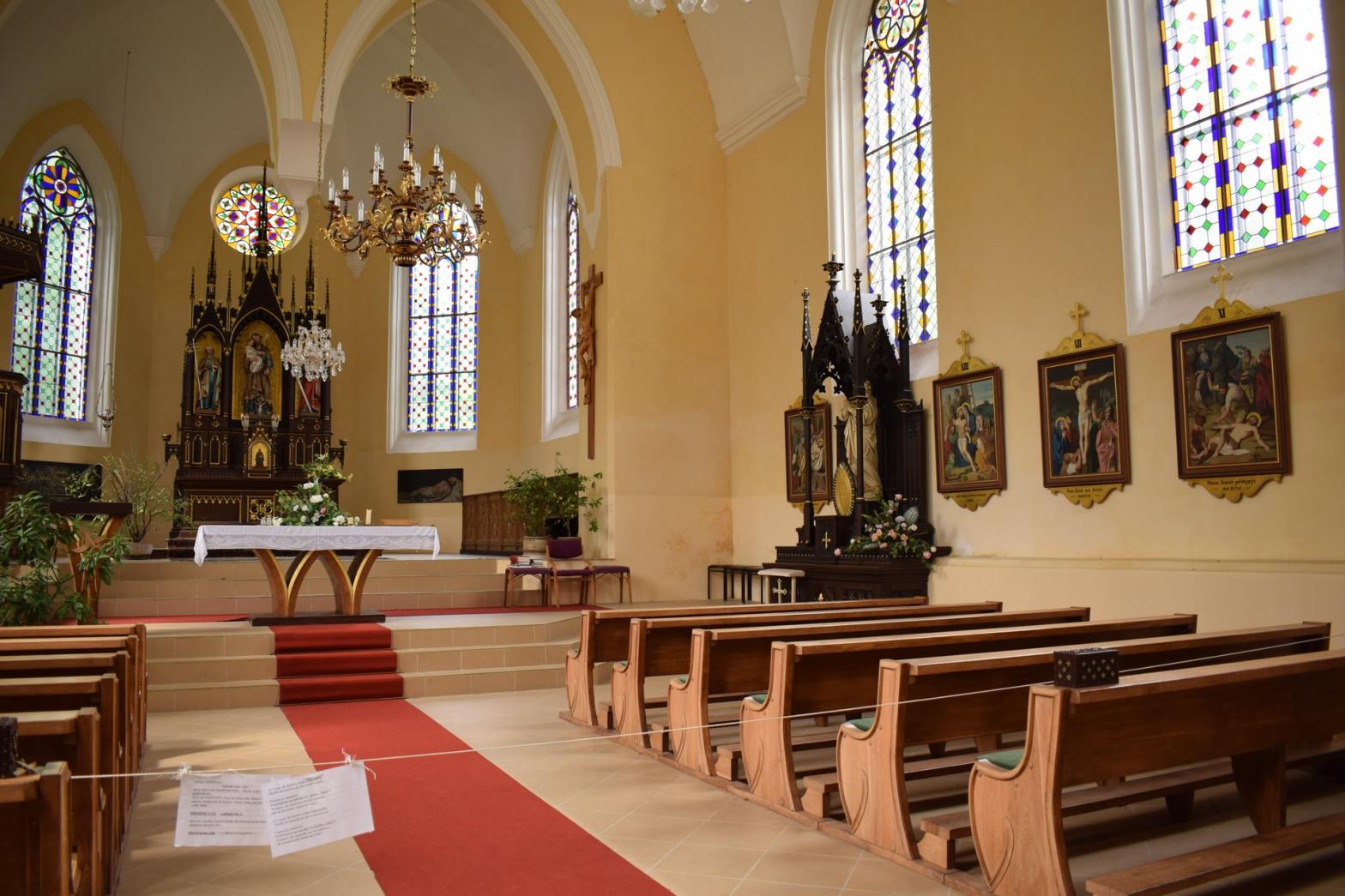
Since we are commemorating the Lenten season, it is best to be reminded about the different beliefs of Christianity so that we can look into our Christian roots. There are more than 2 billion followers of this belief; however, these adherents are divided into the different aspects of Catholic, Eastern Orthodox, and Protestant. Thus, Christianity has become the biggest religion in the world. Because of the diverse branches of the religion, there have been a variety of doctrines and liturgical customs within the Christian family. These groups may differ in ecclesiological manner when it comes to their outlook on the types of Christian denominations.
There are many Christian books that tackle the different parts of Christianity. There are books that center on devotional practices of Christians while there are also others that focus on Christian allegory. Christian theory on Beyond Mere Belief by Greg Van Arsdale is a great example of books that will draw you back and make you think of your Christian roots.
Moreover, there are many and diverse Christian beliefs that every followers must know and be reminded of. These convictions might have various interpretations and responses depending on the version and type of Scripture and traditions where Christianity is based. Hence, listed below are the common beliefs of Christianity that you should know.
Statement of faith
The statements of faith refer to the confessions of ecclesiastical beliefs that are also called creeds. They started as baptismal methods and were soon stretched during the 4th and 5th centuries’ Christological disputes to form into creeds. In this day and age, the Apostle’s Creed is the most broadly accepted doctrinal statement of the accounts of the Christian belief.
The widely known creed was created somewhere between the 2nd to the 9th centuries. Its main statement of faith is those of the Creator and the Trinity. Every teaching discovered in this particular creed can be tracked down to the present statements in the apostolic age. The Apostle’s Creed was clearly utilized as a rundown of Christian doctrine for the prospects for baptism in Roman churches. Listed below are some of the important points written in the creed.
- There is a Holy Trinity composed of God the Father, Son of God, and the Holy Spirit
- The death, pitch to hell, raising from the dead and uprising of Jesus Christ
- The communion of saints and the sacredness of the Christian Church
- The salvation of the believers and Judgment Day will happened during Christ’s second coming
Holy Trinity
As a Christian, you have definitely heard of the term “Holy Trinity.” The Trinity pertains to the concepts and disciplines that the one God is composed of three different and permanently coexisting beings, which are God the Father, God the Son, and the Holy Spirit. This unified Godhead has varying characteristics. The Father has no known origin; the Son is the offspring of the Father; and the Spirit stems from the Father.
The Trinity is a significant article of faith of Christianity. From the moment earlier than the Nicene Creed, Christianity upheld the three peculiar in nature of God as a descriptive affirmation of faith. Based on the doctrine, God isn’t split up in the manner that every individual has a third of the whole; instead, each individual is deemed to be entirely God. The differences are found in their connections, the Father as self-existent, the Son is the child of the Father, and the Holy Spirit emerges from the Father and Son.
Salvation
The contemporary Christian churches are more likely worried about the ways to save humanity from an omnipresent status of death and sin rather than examine the methods of Gentiles and Jews to be included in the family of the Lord. Furthermore, the outlooks of Christians regarding the scope of which people’s salvation is predetermined by the Almighty God vary from one another. Refined Christian theology puts the different essence on grace through teaching people are absolutely lacking in the ability of self-redemption; however, consecrating grace is irrepressible. On the other hand, Orthodox Christians, Catholics, and Arminian Protestants think that the act of utilizing one’s free will is essential to possess more faith in God.
 The Damsel’s Files