
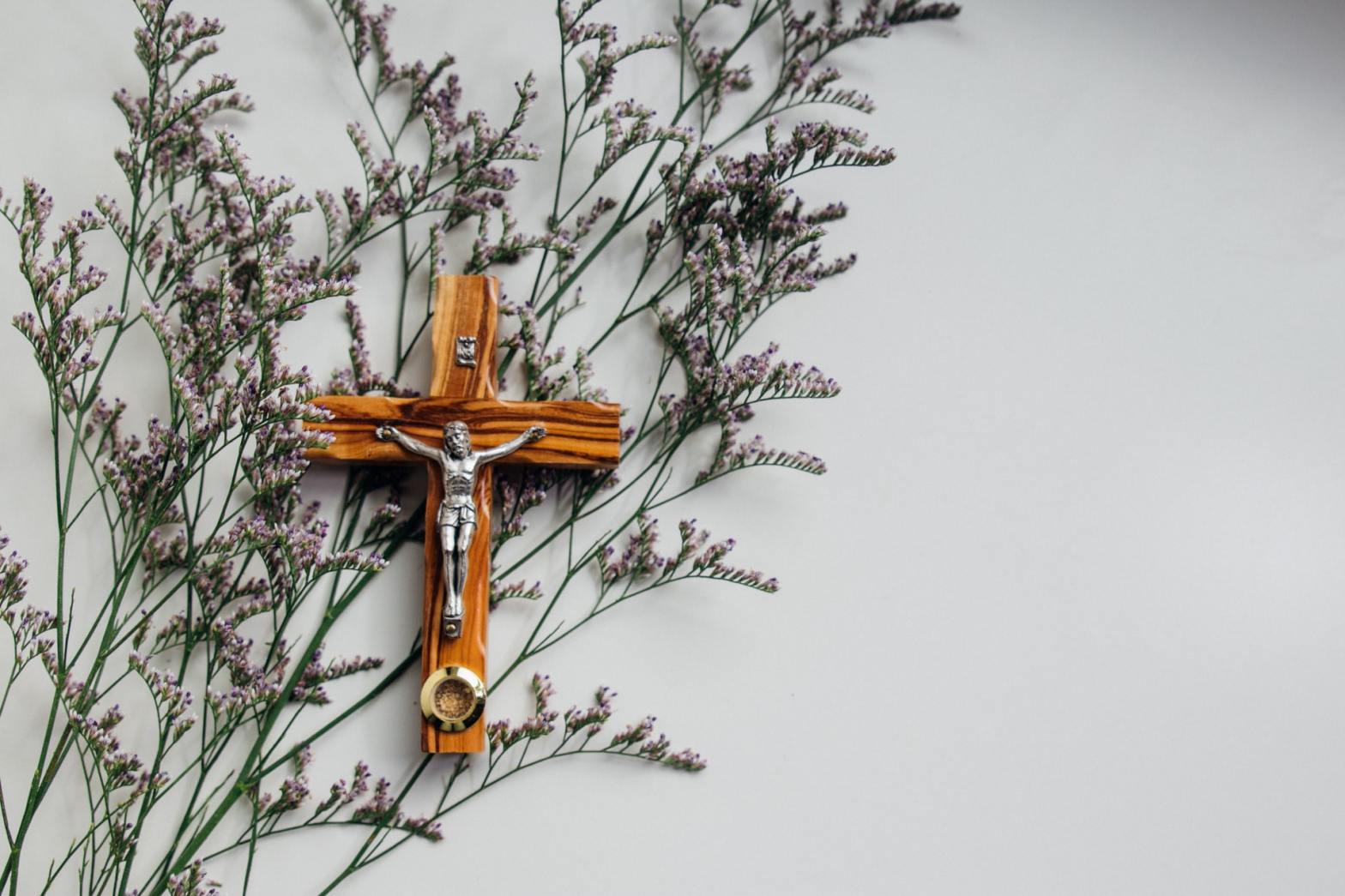
The symbolism of Jesus Christ’s path towards his Crucifixion and the events leading up to it are highly publicized and detailed in what modern Christians know as the Stations of the Cross. They are depictions of the Lord’s immense suffering, the insults and trials he endured, moments of support, and the unfathomable sacrifice the Christians believe the Lord offered in exchange for the freedom of all humankind from original sin and damnation.
The Stations of the Cross involve meditation and reflection on the significance of these individual scenes and events, portrayed in fourteen classic depictions of the age-old story reiterated in varying artistic styles and flavors, reproduced and reimagined by countless Christian artists and visionaries time and time again. With every new form that this symbolism takes on throughout the centuries, the significance and meaning it embodies genuine and spiritually rejuvenating for the reflections of a pious believer showing reverence to humankind’s salvation and the events that led up to the culmination of the event.
The biblical sense of the Cross stations is always to illustrate the journey Jesus has traveled to ultimate human salvation. This journey was one in which he meets his mother and encounters Simon the Cyrene and Veronica on the way. It was three times he was weighted down by his physical fatigue. It encompasses his execution at the Crucifixion, to his burial and subsequent revival. It is in the of Stations of the Cross where the road to the divine paradise comes once people understand what Jesus has suffered – a call to action in their own lives. The book known as Stations of the Risen Christ by Frank Heelan explains this in extensive detail.
In parishes, particularly during the Lent and anticipation of Easter, the Stations of the Cross that embraced the path of Jesus Christ from the praetorium of Pontius Pilate to the grave of Jesus Christ were a common dedication. This route was officially called Via Dolorosa (Sorrowful Way) in the 16th century or just the Way of the Cross or the Stations of the Cross.
Over time, this dedication grew. Our Blessed Mother has historically visited the sights of the love for our Lord every day. This road was identified after the legalization of Christianity by Constantine in 313 AD. St Jerome (342-420), who spent the last part of his life in Bethlehem, demonstrated to the pilgrims from different nations who had visited these holy sites.
Here’s a few fun facts about The Stations of the Cross that all pious Christians should know. You might know the Stations in order by heart, but you might not know these rare facts about them:
Prior to the 17th century, the Stations of the Cross were absent from churches
It is because it was no longer convenient or feasible or possible to access religious locations that the Stations of the Cross came to be what we know them today. In the 1500s, the “reproductions” of the way of the cross began to be built by communities across Europe with miniature temples to honor the locations along the path in Jerusalem.
These sanctuaries were gradually converted into the series of 14 stations, which we all recognized and are found in virtually every Catholic Church in the world. Depicting the events mentioned in the stations were rare in churches until Pope Innocent XI allowed the Franciscans to display this imagery in all of their churches as of 1686.
The trend picked up when pilgrims from all over the globe flocked to the Holy Land in the late 4th century
The Church of the Holy Sepulcher, constructed directly above Calvary and the Grave of Jesus by Emperor Constantine in 335 AD, was at the top of the sites that these pilgrims visited. The Muslim invasion of Palestine eventually saw the end of this practice.
The reproductions of the holy places in Europe were built by the 7th century when Christians who had extreme difficulty accessing the sacred sites sought pilgrimage sites nearer home. If they weren’t going to head to Jerusalem, they’d have memories of Jerusalem nearby.
Every Good Friday, the Pope’s devotions to the Stations of the Cross is done publically at the Colosseum at Rome, which is a highly attractive pilgrimage for many pious practitioners.
This practice dates back to the eighteenth century, during the papacy of Pope Benedict XIV, and was reinstated in 1964 by Pope Paul VI. This ritual, known as “Via Crucis,” involves a ceremonial pilgrimage of torchlights from the Colosseum to the Palatine Hill, with participants frequently bearing wooden crosses to each stop.
 The Damsel’s Files