
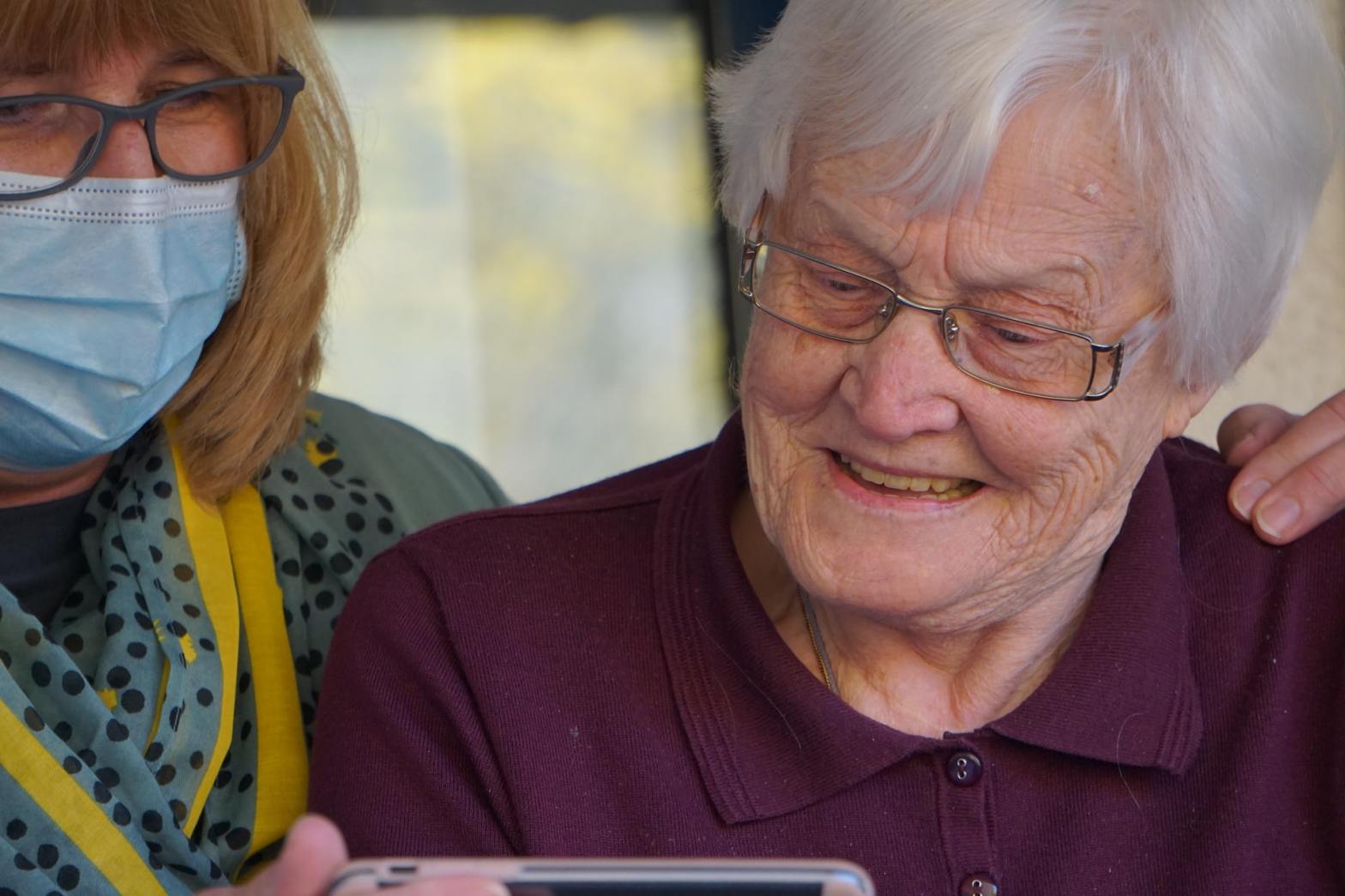
Many healthcare facilities were overwhelmed by the pandemic, since nobody saw it coming. Hospitals were full and medical staff was busy. With the ongoing battle with the Covid-19 virus, there were lives that were lost, economies that have fallen, and people that were losing hope. The caregiving industry is an integral part of the medical field. Without these brave caregivers, it would be too difficult to attend to the needs of our elderly and family members since we still have our responsibilities and jobs to handle.
There are many people who have experienced family caregiving. These amazing individuals have little to no background or know-how about the job, but they still continue to jump right into it so that they can take care of their loved on. Author Eleanor Gaccetta, for example, was a career woman whose life suddenly changed after her mother broke a hip and needs to be taken care of immediately. She utilized her almost10 years of caregiving experience to help those newbies in the field get to know the art of caregiving, as well as its challenges.
Among the typical individuals that can be tapped to perform some caregiving duties are family and friends. However, it can become both easy and difficult on their end because of the growing changes in the well-being of the person with an illness or disability. However, if you hire a caregiver from a trusted agency, everything will be easier yet you’ll never know how anxious and burnt out the expert will become — especially that there is an ongoing pandemic.
Amidst this unsolved Covid-19 virus, what could how do the caregiving industry is getting by, would their demand and field become bigger or smaller? During this health crisis that we have been facing for almost a year, the estimated worldwide market for Health Caregiving last year is 111.2 billion US dollars, which is forecasted to come to a reappraised size of 234.6 billion US dollars after 7 years. Hence, it was evaluated to have an 11.2% CAGR increase from 2020 to 2027.
According to the May 2020 research report by the AARP Family Caregiving, over 1 in 5 people in the US are caregivers. This is based on their duty at specific periods in the recent year to attend to the needs of either adult or kid that has no enough capacity to take care of him. It sums up to about 53 million American adults, which is higher than the approximated 43.5 million in 2015.
Various caregivers have felt that their work has bestowed them a sense of purpose and has given their lives meaning. However, the positive feelings felt by these 51% commonly exist together with stress and pressure. Most caregivers communicate their concerns and frustrations physically, mentally, financially, and emotionally. In fact, 2 in 10 caregivers report that they are feeling solitary. A lot of personal challenges influenced by work also emerge. There are were 21% who reported that they are experiencing poor well-being, and one in 4 caregivers voiced out that it is a struggle for him to attend to his fitness needs.
Caregiving, furthermore, creates a great impact on the economy. With its various effects on the workers and the working arrangements, the economy can be affected financially. At least one in every 5 caregivers is known to have high money resource strain, which is the outcome of the job, while 10 have gone through one financial effect that is also a product of caregiving. Additionally, 28% have ceased saving while 23% were recorded to have increased their debts in a span of 5 years. These statuses have long-lasting consequences in terms of the future financial stability of caregivers; especially that caregiving can go up for a long period of time.
In conclusion, the caregiving industry is still operating well in the middle of this pandemic. Even if there are a lot of societal and personal struggles that caregivers have been through these days, they are still doing their best on providing the best care that they can give. As seen in the studies and numbers above, there is truly an increase in the number of caregivers in a 5-6 year time difference.
 The Damsel’s Files