
Seven cardinal sins, commonly known as the seven deadly sins, is a category of sinful habits or degrading practices in the Christian teaching, but are not specifically itemized in the Holy Scripture. These practices are sorted in this category if the said behaviors give emergence to another sin right away.
Basically, the seven deadly sins are the opposite of the seven heavenly virtues. These immoralities are frequently viewed to be in the form of abuses or too much perception of an individual’s natural passions. Hence, let use get to know more or remind ourselves with the seven cardinal sins that we, in the best way possible, must not commit:
Lust
This sin opposes the virtue chastity, and it is known to be an extreme desire. Lust is commonly viewed as a strong sexual desire that have the tendency to lead into infidelity, adultery, rape, bestiality, and other immoral sexual behavior.
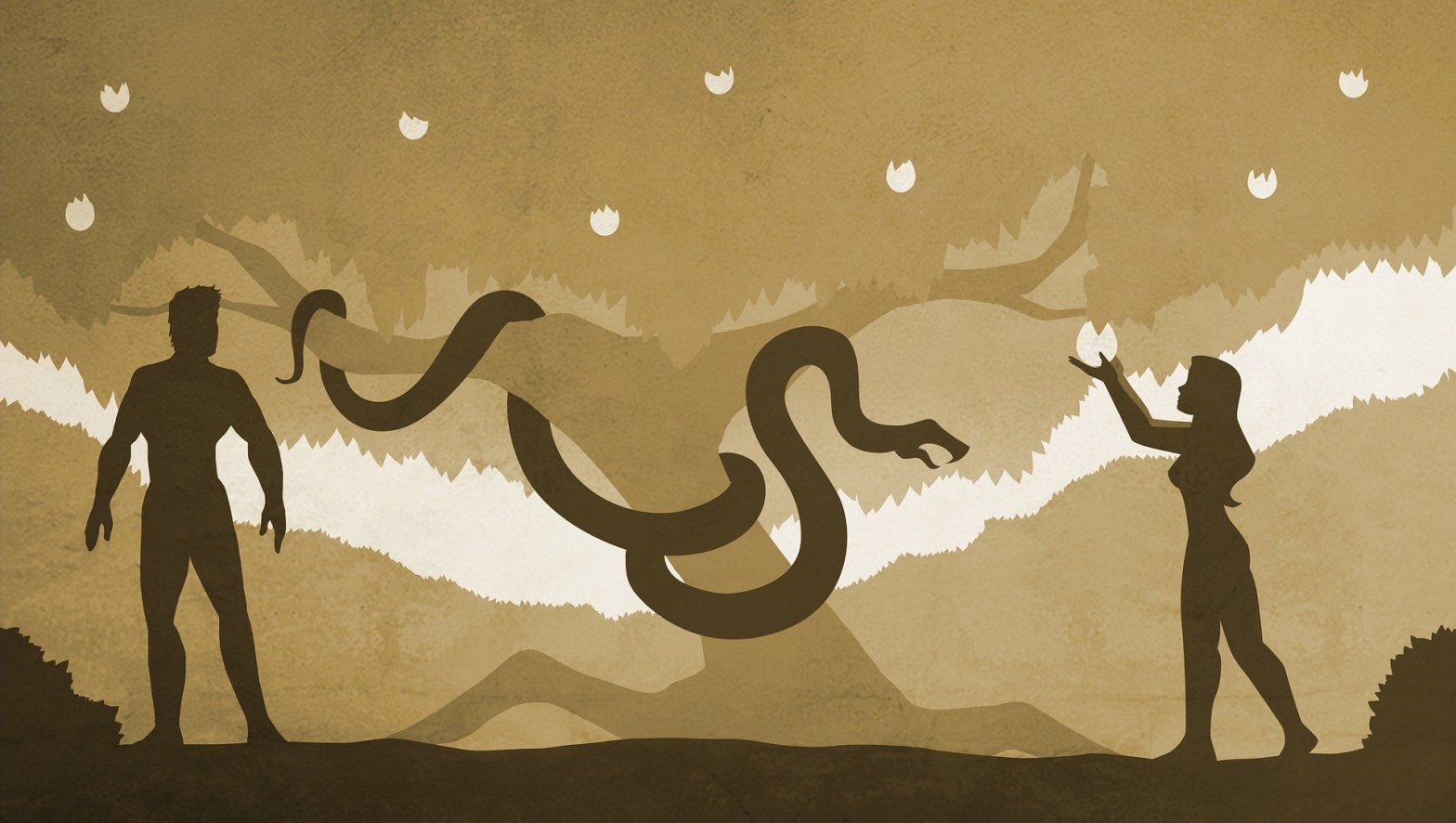
Although it doesn’t directly pointed out lust, the book A Law from Eden: Solving the Mystery of Original Sin by Marilyn Taplin showcases that the real original sin is the sexual immorality. Because of the misunderstanding of human sexuality, the society has turned into a wicked one.
Even though lust is greatly associated with the sexual hunger, it can also be connected into other forms of extreme desire. Hence, these desires could be the lust for material things, money, power, etc.
Greed
Greed is often known to be the root of all evil. It is the sin that is the opposite of charity or generosity. Its other terms are avarice and avaritia. As viewed by the Church, this deadly sin is involved with insincere and insatiable wanting and searching for material things. According to Saint Thomas Aquinas, “Greed is a sin against God, just as all mortal sins, in as much as man condemns things eternal for the sake of temporal things.”
There have been a lot of things that are product of greed in this lifetime. And, honestly, these results of avarice are always undesirable. When an individual thirst for more money that what he already possess, he will find a way to get more even if it means stepping on others. It doesn’t only apply to money, but to all other Earthly things. Hence, greed doesn’t bring the good out of people; instead, it brings out the worst.
Gluttony
Craving for more can become bad. It is what we call gluttony, which comes from the Latin word gula. It pertains to the excess and immoderation of anything that ends up wasting it. Christianity perceives gluttony as a sin of imprudent craving for food causes it to be retained from the underprivileged. Most of the church leaders in the middle age, like Thomas Aquinas, took a wider perception towards gluttony. He argued that this sin can also encompass a besetting excitement of meals, and the continuous consumption of dishes and overly expensive food.
There are plenty of ways that an individual commits gluttony, which are listed by Thomas Aquinas. These factors are the following:
- Laute – consuming excessively costly food
- Studiose – consuming food selectively
- Nimis – consuming too much food
- Praepropere – consuming food too early
- Ardenter – consuming food impatiently
Pride
Pride opposes the heavenly virtue humility. In this lifetime, many have lives and relationship have been wrecked by pride. Furthermore, this sin is considered as the original and weighty out of the seven cardinal sins because it is known to be the origin of the other 6. The duality of this sin is astonishing because one who commits this can either become angelical or demonic.
It is comes in different definitions, such as the selfishness that can jeopardize others and putting personal wants, impulses, and desires before others. Pride, if not halted, can become destructive. It makes people illogically think that one can be inherently and basically superior to others. Thus, making these people who are conquered with pride to not acknowledge the achievements of others; instead they are more into themselves, overly admiring their personal image.
Envy
When you are envious, you cannot fully appreciate everything around you. Envy is characterized by an extreme desire, and is defined as a discontented covetousness on the belongings or characters of others. If you haven’t heard of the story of Cain and Abel, you probably have to read it and see how destructive envy can become.
Envy can be the product of vanity. Moreover, there’s this we call as malicious envy, which is the same as jealousy where a person feels dissatisfied of someone’s character, condition, talent, skill, and prize. One key difference is that envious will also want the thing or being and will look for a way to covet it. Hence, it is straightforwardly linked to the commandment “Neither shall you covet… anything that belongs to your neighbor” in the 10 Commandments.
Sloth
Sloth is primarily defined as the lack of interest or the constant unwillingness to exertion. It is the opposite of diligence, which refers to hard work. Furthermore, this cardinal sin is also known as the mysterious combination of notions, which comes from age and includes the physical, mental, spiritual, and pathological conditions of a person. This sin is also known to be the immorality of shutting out responsibilities. It can be the product of other cardinal vices, such as anger, greed, and more.
Wrath
You probably have heard of rage, anger, and hatred. But do you now that the three states or emotions can be summed up into one? That’s what wrath is all about, a feeling that cannot be tamed. It often leads to a lot of awful things for it frequently uncovers itself in the yearning to get revenge. Wrath, in its realest and most genuine form, is laid down with violence, impairment, hate, and pain that have the tendency to create fights that can be left unresolved for many years.
 The Damsel’s Files