
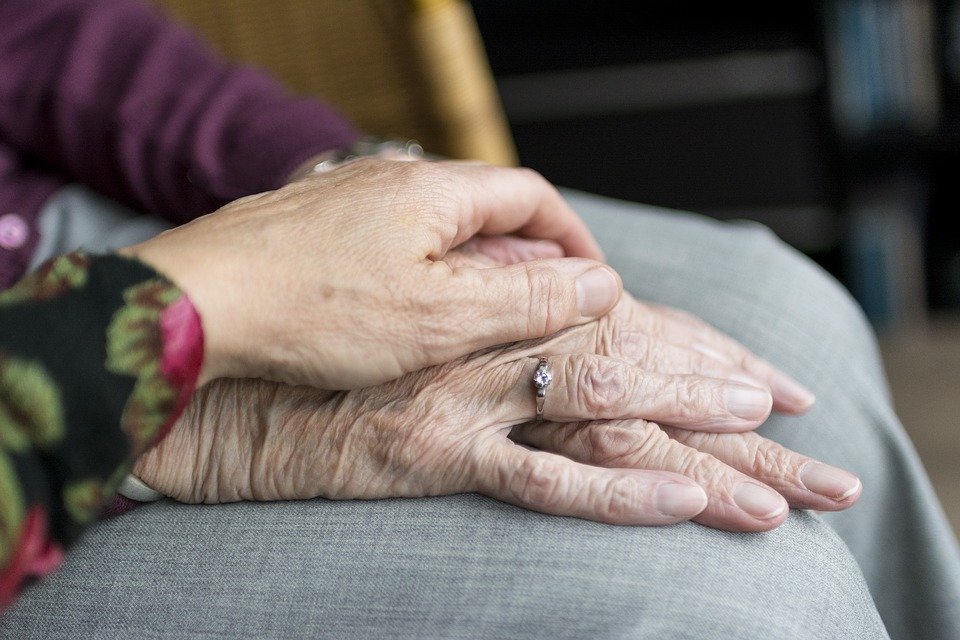
There is definitely a caregiver behind each and every elderly patient whose critical role is often overlooked. By helping patients understand and comprehend their disease, caregivers can have a positive impact on patients’ treatment decisions and their capability to adjust to a new routine of treatment.
Caregivers are liable for the medical care and psychological assistance of those who can no longer care for themselves because of old age, sickness, disability or impairment. This also facilitates the provision of financial and legal assistance.
Their responsibilities also include home tasks such as grocery buying, food planning, laundry and financial administration. They also assist with everyday life tasks such as washing and dressing, as well as managing patient treatment including recording prescription history and prescribing or tracking medications.
Home care is far more than just dealing with the physical needs of a senior or disabled person.
A good caregiver brings joy, fosters a bond with the senior in their care, and becomes a part of the family in many ways for the finest quality caregivers in the home go further beyond to care for seniors. Eleanor Gaccetta, author of the book titled “One Caregiver’s Journey”, knows this far too well.
When you’re searching for a qualified home caregiver for your loved one, it’s vital to identify an individual with the right qualifications. The one that you hire will spend a great deal of time with your beloved senior, and you need someone to treat him or her like their own family.
Trusting your elderly parent to someone else’s supervision is a major choice. Understandably, making the decision to choose the right one for you loved ones is not always easy.
Elderlies require assistance with most of their everyday tasks. If your loved one is one of them and plans to age in place, you’ll obviously need a good, qualified caregiver. Here’s a few tips and attributes to be on the lookout for when coming up with the right decision.
- Professionalism
Like with all medical professions, obviously professionalism is vital. A caregiver should be time conscious, appropriately dressed, and ready to assist according to the agreed upon duties.
It’s always best to establish a strong friendship with your caregiver. Nonetheless, you want to be sure they realize the boundary between personal issues and staying focused on the job. Caregivers aren’t permitted to express their personal concerns or desires with the customer.
A caregiver who knows integrity is an ideal professional who could be trusted to look after your loved ones.
- Trustworthiness
A home caregiver needs to be trustworthy and dedicated to their duties. The elderly and their families rely on the caregiver- when you consider leaving your elderly loved one in the hands of a care provider, you need to know that they’re going to be ready and that you can always depend on them, no matter what the circumstances are.
- Patience
Many times, things won’t always go as expected. Difficult circumstances may occur, and the elderly can become uncooperative or distressed. A home caregiver may need to take into account that, sometimes during treatment or regular procedures, elderlies may experience more pain or distress than normal- a situation that a rigid caregiver who’s unopen to flexibility would find difficult.
- Expertise
A caregiver’s educational advancements and certifications are not the only traits that make them astounding at their jobs. Do a background check to determine what training and certification they have achieved so far in their careers. Continuing education and additional training on top of the basic standards of the state are usually good quality measurements.
- Proficient communication skills
The home caregiver must establish clear communication with the elderly in their care and with the family, as well as the senior’s doctor or other healthcare experts. It is essential for the carer to interact and communicate in clear and straightforward terms and to ensure that everyone is informed about any changes in the health and well-being of the elderly in their care.
- Burning passion
A home caregiver who conducts his tasks not just for the benefit that he or she may earn, but who truly cares for the elderly and their treatment, is the type of person you should choose to look after your loved one. Care is challenging, and only a caregiver who is genuinely enthusiastic about their profession can deliver the best care they can. A dedicated caregiver is optimistic, enthusiastic, and cheerful, and shows these traits while dealing with the individuals in their treatment. Passionate caregivers are constantly searching for opportunities to better the life of everyone they associate with.
There are plenty more characteristics that define a great home caregiver, but there are also certain types of personality traits that work better together. One senior could get along with a caregiver who questions him or her, while another may prefer a lighter approach. Sharing passions, activities, and beliefs also makes it possible to share a lot of time together. When you’re looking for the right home caregiver for your loved one, remember to take all these positive attributes into consideration.
 The Damsel’s Files